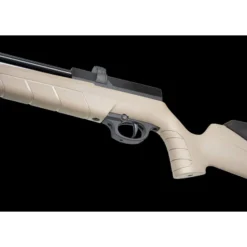
Snowpeak PR900S Lynx | Synthetic
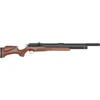
€150.00
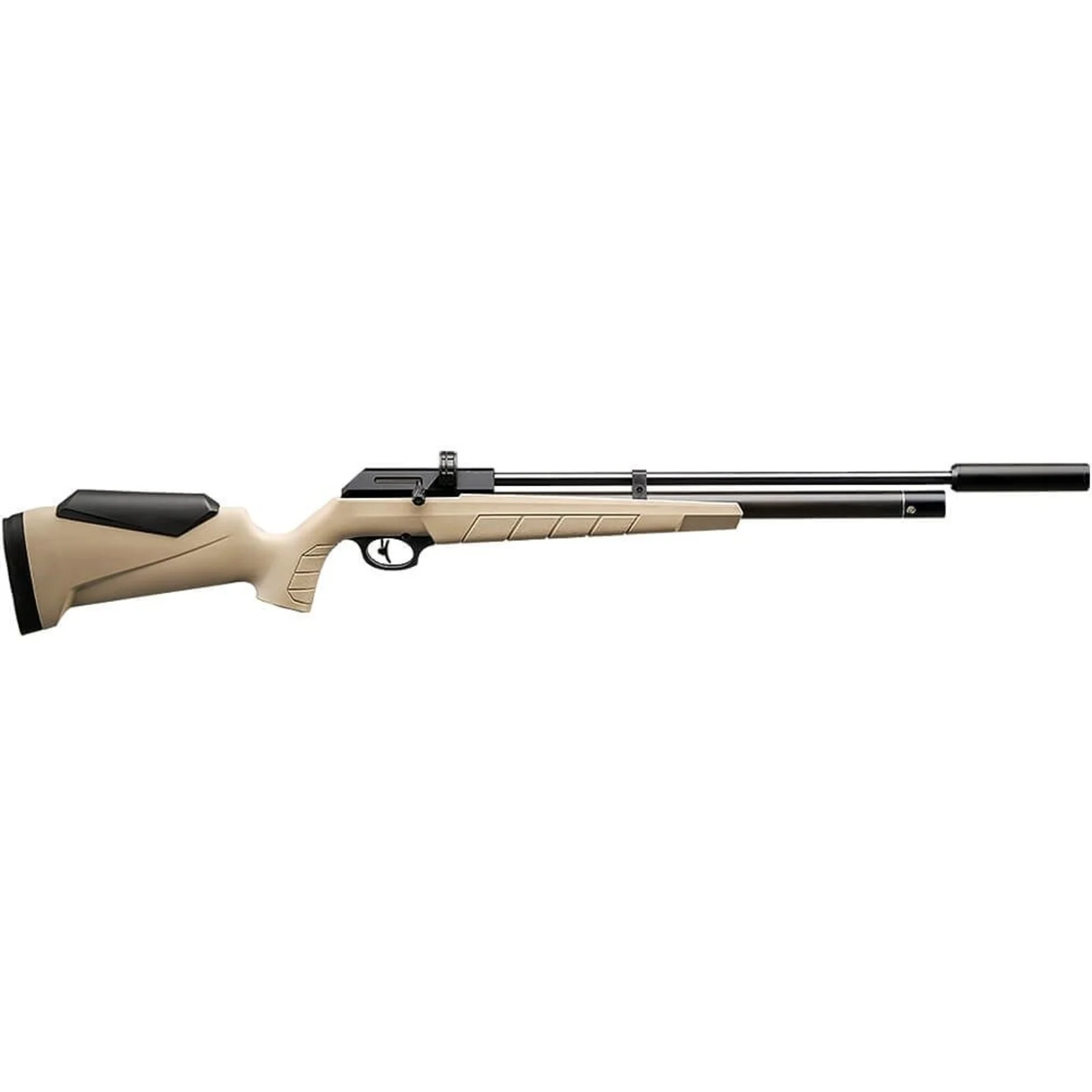
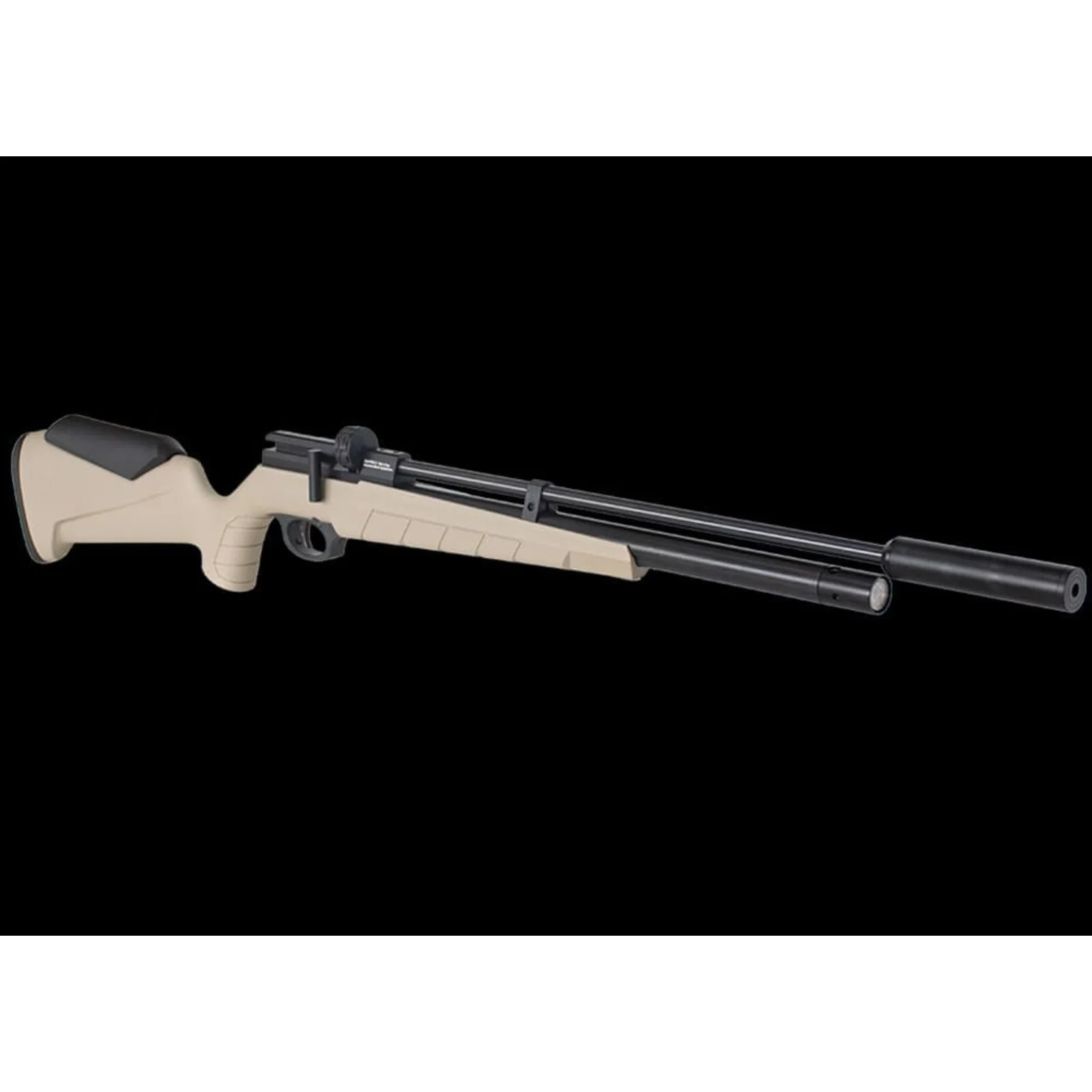
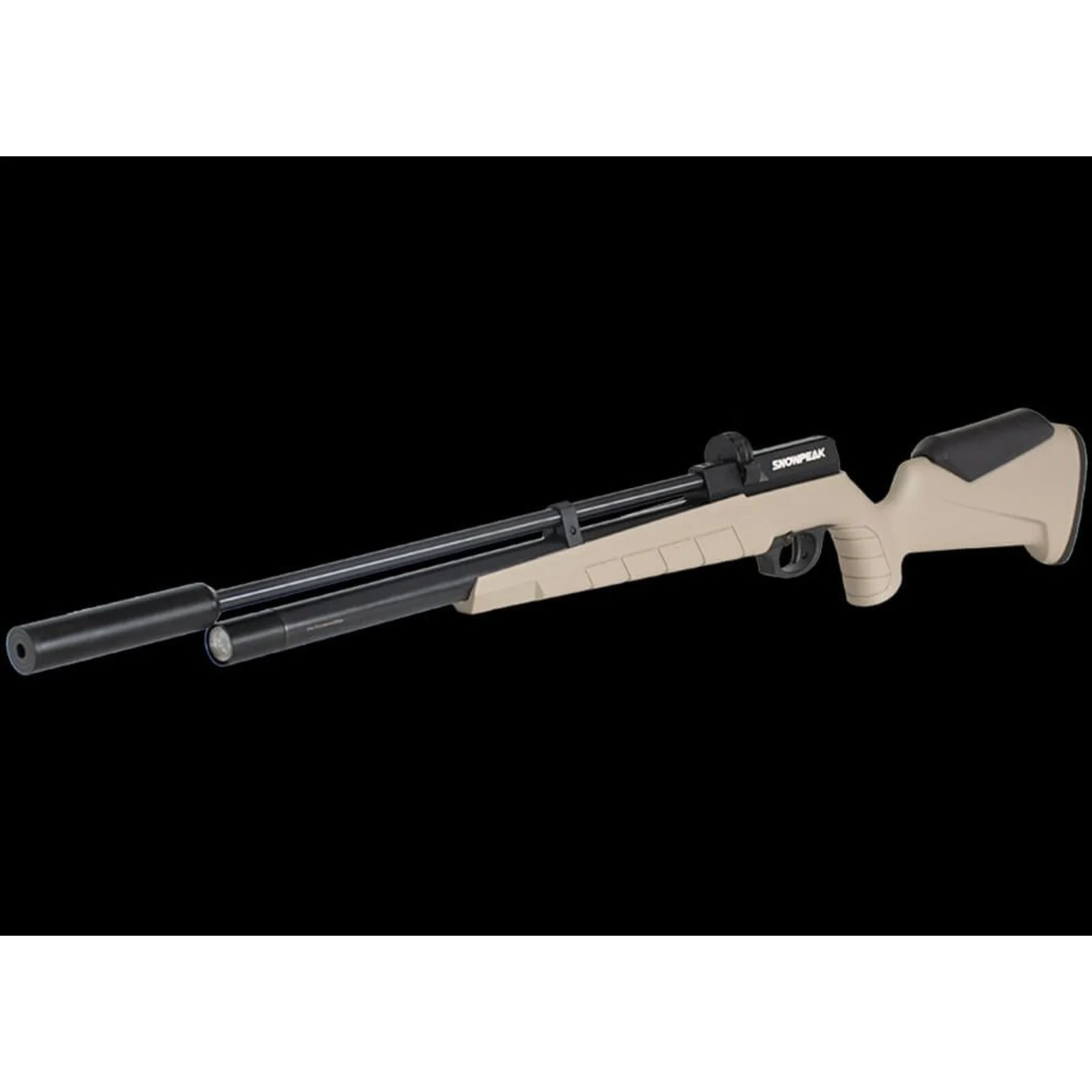
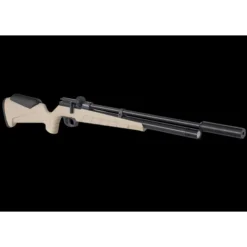
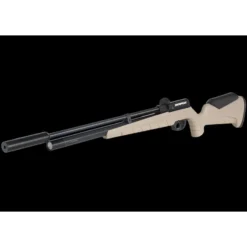
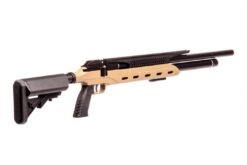
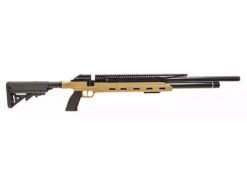
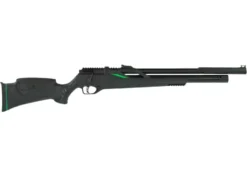
The Snowpeak PR900S G3 Lynx is a modern and versatile PCP air rifle that perfectly combines performance and ease of use at a great price!
This third generation within the popular PR900 series has been further refined and is equipped with a built-in regulator.
This regulated PCP system ensures consistent and stable energy output across the entire usable pressure range, resulting in highly consistent shot performance.
The enlarged 130cc air cylinder (30cc more than its predecessor) provides extra shots per fill.
| Power source: | Pre compressed pneumatic (PCP) |
| Caliber: | 4.5mm | 5.5mm (.22) | 6.35 (.25) |
| Muzzle energy: | 25 | 41 | 43 joules |
| Fill pressure: | 250 bar |
| Air capacity: | 130cc |
| Regulator: | Yes |
| Operating system: | Sidelever |
| Magazine: | 12 | 10 | 10 |
| Max. projectile length: | 10.9mm |
| Optic mounting: | 11mm dovetail |
| Weight: | 2500 grams |
| Length: | |
| Barrel length: | 485mm |
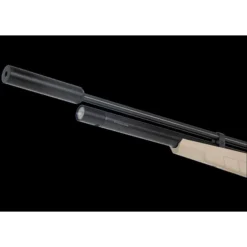
| Muzzle: | Moderator included |
| Accessories: | Magazine, fill probe (foster), spare o-rings |
Designed for Use with a Scope
Unlike its predecessors, the G3 does not feature open sights. This is because the rifle is specifically designed for use with a scope.
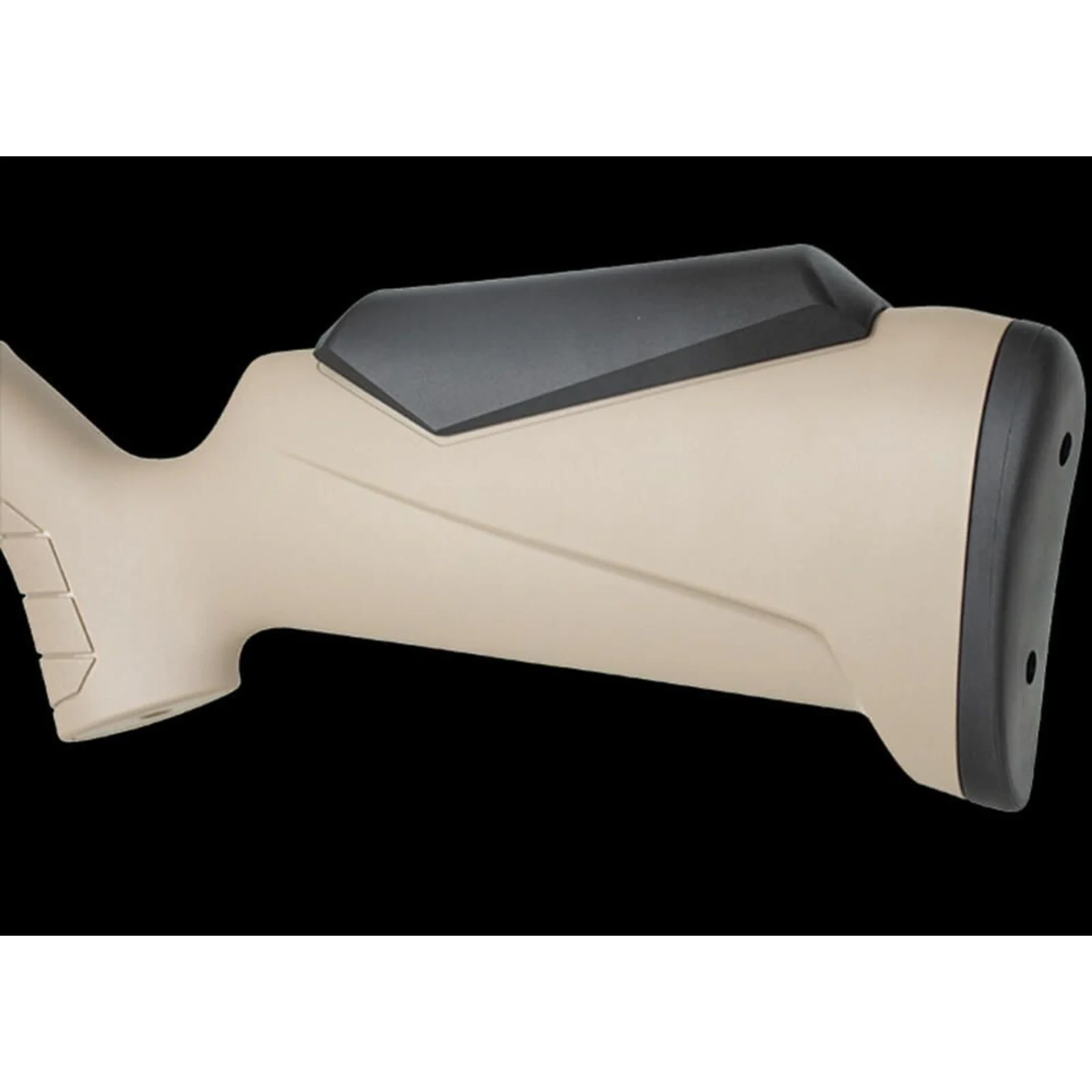
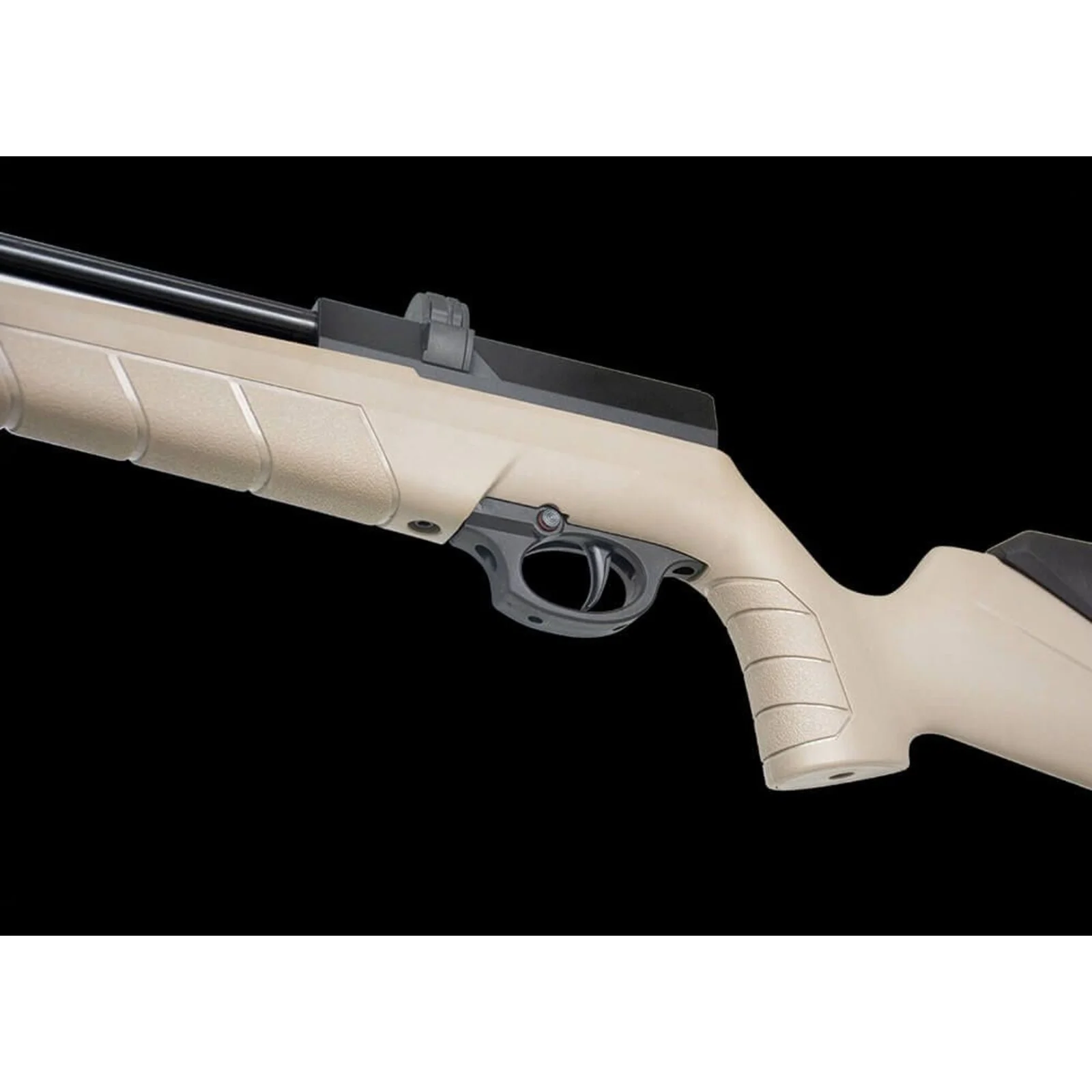
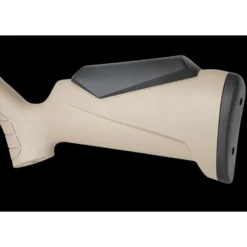
The low-maintenance synthetic stock has a comfortable design and features a rubber butt pad and raised cheek piece for a stable and comfortable shooting position when using optics.
For mounting a scope, the air rifle is fitted with an 11mm dovetail rail.
This allows virtually any compatible scope to be mounted; such as a precise optical scope like the popular Hawke Vantage 3-9×40 AO.
If you plan to use the PR900 G3 as a budget-friendly option for pest control, a suitable night vision optic can also be mounted on this accurate rifle.
As long as you use 11mm mounts, you’ll have no issues fitting your preferred optic.
Have questions about optics? Feel free to get in touch, we’re happy to help!
Using the PR900 G3
The improved, adjustable two-stage trigger provides controlled and predictable trigger pull, while the smooth side-lever mechanism ensures quick and pleasant operation.
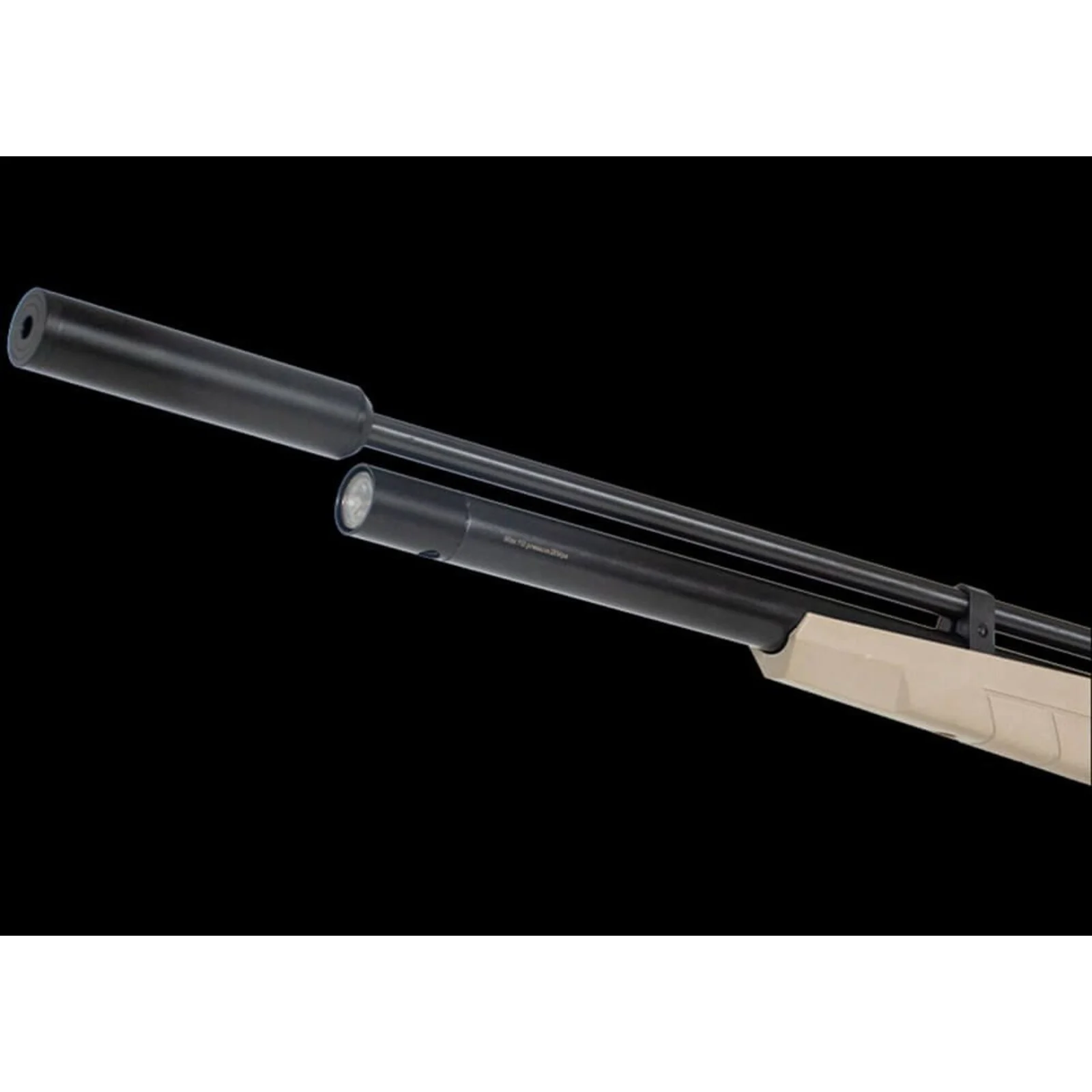
Thanks to the integrated moderator, muzzle noise is effectively reduced.
The PR900 G3 lynx is pressurized using the included fill probe.
This probe does not have threads but uses a Foster connection.
The air source (tank, compressor) must therefore have a female Foster coupling.
The PR900 G3 also uses a new and improved magazine design compared to earlier models.
The rotating magazine has a generous capacity depending on caliber:
- 4.5 mm / .177 – 12 shots
- 5.5 mm / .22 – 10 shots
- 6.35 mm / .25 – 10 shots
With its reliable engineering, increased capacity, and ergonomic design, the Snowpeak PR900S G3 Lynx is an excellent choice for both recreational shooters and more advanced users.
Snowpeak PR900S Lynx Synthetic
Introduction to the Snowpeak PR900S Lynx Synthetic and the Snowpeak Product Ecosystem
The Snowpeak PR900S Lynx Synthetic belongs to a generation of pre-charged pneumatic (PCP) airguns that emphasize lightweight construction, practical engineering, and modern manufacturing methods. As part of the broader family of Snowpeak products, the PR900S Lynx Synthetic illustrates how compressed-air technology has evolved over time and how manufacturers continue to refine air-powered sporting equipment through improvements in materials, ergonomics, and mechanical efficiency.
To understand the role of the PR900S Lynx Synthetic within the industry, it is useful to examine the wider landscape of snowpeak airguns and the development of PCP technology. Snowpeak has produced a diverse catalog that includes rifles, pistols, and various compressed-air platforms intended for recreational and sporting applications. Over the years, numerous product lines have emerged, including the snowpeak ap900, ap900b pcp air rifle, snowpeak pp750, Snowpeak PP750L, Snowpeak PP750L PCP Air Pistol, Snowpeak Air Pistol, PCP Pistol, and Airgun Pistol product families.
The popularity of PCP technology often leads newcomers to ask a common question: what is a pcp airgun? A PCP airgun is a system that stores compressed air inside a reservoir before operation. Unlike spring-powered designs, energy is stored in advance and released through a valve system. Consequently, PCP technology has become an important area of engineering development within the modern airgun industry.
Within the Snowpeak catalog, several platforms have attracted attention from enthusiasts and technical observers. Examples include the snow peak pp750, pp750, snowpeak pp20, snow peak pp20, snowpeak p35, p35, snowpeak p35x, p35x, p35x pcp, and pcp p 35 product lines. Discussions comparing the snowpeak p35 vs p35x often focus on design evolution, component configurations, and manufacturing approaches rather than simple performance comparisons.
The PR900 platform itself has undergone development through multiple generations. References to the pr900 gen 3 demonstrate how manufacturers continually refine existing platforms to improve manufacturing consistency, ergonomics, reliability, and user experience. The PR900S Lynx Synthetic represents part of this broader trend toward modernization and product refinement.
In addition to the PR900 and P35 families, Snowpeak has introduced several other platforms. These include the snowpeak m25, m25 rifle, m25 weapon, snowpeak m60, snowpeak m60b, and m50 rifle. Technical discussions occasionally include questions such as how much did the m60 weigh, highlighting the interest that collectors and enthusiasts often have regarding specifications, design characteristics, and historical product information.
Another aspect of the Snowpeak ecosystem involves supporting equipment and accessories. Users frequently explore categories such as air gun accessories, optics, reservoirs, maintenance tools, and related components that contribute to overall system functionality. These items are often grouped under broader classifications such as snow peak equipment and other sporting equipment categories.
The company’s product portfolio is sometimes discussed alongside search terms such as snowpeak sports, snowpeak max, snowpeak max 1 price, hp300, pellet 9mm, pcp pellet rifle, snowpeaks, snowfall gun, pistolet pcp arcea-snowpeak onix sport, and even unrelated phrases such as t rex 6000. These terms reflect the wide range of information users search for when researching compressed-air technology and Snowpeak-related products online.
Brand-related inquiries are also common. Many individuals seek information regarding snow peak brand origin, manufacturing history, and snow peak customer service. Understanding a manufacturer’s background can provide useful context regarding production practices, engineering philosophy, and long-term product development strategies.
The PR900S Lynx Synthetic itself illustrates several broader trends within contemporary PCP engineering. One of the most significant is the increasing adoption of synthetic stock materials. Compared with traditional wood construction, synthetic materials generally offer improved resistance to moisture, environmental exposure, and routine wear. Consequently, synthetic stocks have become increasingly common throughout the sporting equipment industry.
Modern users also value portability and ease of handling. Therefore, manufacturers often focus on weight distribution, structural efficiency, ergonomic design, and material selection. These considerations influence how a platform feels during handling and contribute to overall usability.
The continued growth of PCP technology has encouraged innovation across the entire industry. Products ranging from the High power PCP air pistol category to platforms associated with terms such as Snowpeak PP750L PCP Air Pistol for sale demonstrate how manufacturers have expanded their offerings to serve different segments of the market. Although these products differ in design and purpose, they collectively illustrate the versatility of PCP engineering.
Ultimately, the Snowpeak PR900S Lynx Synthetic serves as an example of contemporary compressed-air technology. Its design reflects ongoing advancements in materials science, manufacturing processes, ergonomic development, and pneumatic engineering. By examining the PR900S within the context of the broader Snowpeak product family, it becomes possible to better understand the technological evolution that continues to shape modern PCP platforms.
PCP Technology, Air Management Systems, and Engineering Fundamentals
The foundation of the Snowpeak PR900S Lynx Synthetic is its pre-charged pneumatic (PCP) operating system. PCP technology represents one of the most important developments in the evolution of modern air-powered sporting equipment because it allows compressed air to be stored before use and released in a controlled manner during operation. This engineering approach provides a highly efficient method of energy storage while reducing many of the mechanical limitations associated with older propulsion systems.
At the center of every PCP platform is an air reservoir. This component functions as an energy storage vessel designed to contain compressed air at high pressure. Engineers carefully design these reservoirs to withstand repeated filling cycles while maintaining structural integrity throughout the product’s operational lifespan. Material selection plays a critical role because the reservoir must balance strength, safety, durability, and weight.
The amount of air stored within the reservoir directly influences system capacity. Larger reservoirs can typically hold more compressed air, allowing for longer operating periods between refills. However, increasing reservoir size also increases weight and may alter balance characteristics. Consequently, manufacturers must determine an optimal compromise between capacity and portability.
A key engineering advantage of PCP technology lies in its ability to separate energy storage from the firing cycle. Traditional spring-powered systems generate energy at the moment of operation, whereas PCP platforms store energy in advance. As a result, the internal mechanics generally experience less vibration and reduced mechanical stress during use.
The valve system serves as the control center of the PCP mechanism. Although relatively compact, it performs one of the most important functions within the platform. When activated, the valve opens briefly and releases a measured quantity of compressed air. The timing and efficiency of this process have a direct impact on consistency, reliability, and overall performance.
Engineers devote significant attention to valve design because even small modifications can influence airflow characteristics. Factors such as spring tension, valve geometry, sealing efficiency, and airflow pathways must be carefully balanced. The objective is to release sufficient air while minimizing waste and maintaining repeatable operation.
Airflow management represents another critical aspect of PCP engineering. Once air leaves the reservoir, it must travel efficiently through internal passages before reaching the projectile. Any restriction, turbulence, or unnecessary resistance can reduce efficiency and affect consistency.
To address these challenges, manufacturers optimize transfer ports, airflow channels, and valve components to encourage smooth air movement. This optimization helps maximize the useful energy extracted from each reservoir fill while minimizing losses within the system.
Pressure management is equally important. As compressed air is consumed, reservoir pressure gradually decreases. Engineers therefore design PCP systems to operate effectively across a range of pressure levels rather than relying on a single pressure value. Achieving this balance requires careful coordination between reservoir capacity, valve characteristics, and airflow dynamics.
One of the reasons PCP technology is highly regarded within the industry is its potential for consistency. Consistency refers to the ability of a platform to operate in a repeatable manner from one shot to the next. Numerous engineering factors influence this characteristic, including reservoir pressure stability, valve efficiency, airflow uniformity, and manufacturing precision.
Manufacturing tolerances play a significant role in determining overall system quality. Modern machining technologies allow manufacturers to produce components with a high degree of dimensional accuracy. Improved tolerances contribute to better component alignment, smoother operation, and enhanced reliability over time.
Sealing systems are another essential element of PCP design. O-rings and other sealing components prevent compressed air from escaping while the platform is stored or operated. Because even small leaks can affect efficiency, manufacturers select sealing materials capable of resisting pressure fluctuations, wear, and environmental exposure.
Material science has contributed significantly to advances in PCP technology. Contemporary engineering polymers, high-strength alloys, corrosion-resistant coatings, and precision-machined components have improved durability while reducing maintenance requirements. These developments allow modern PCP platforms to achieve higher reliability than many earlier designs.
The interaction between the reservoir, valve assembly, airflow pathways, and sealing systems demonstrates the complexity of PCP engineering. Although each component performs a distinct function, they must operate together as a unified system. Effective integration of these elements determines how efficiently stored energy is converted into useful work.
Ergonomic considerations also influence PCP design. Engineers evaluate component placement, weight distribution, and structural balance to ensure comfortable handling characteristics. The location of the reservoir, action, and stock components affects how the platform feels during use and contributes to overall user experience.
Durability remains a primary objective throughout the design process. PCP platforms are expected to function reliably under a variety of environmental conditions. Exposure to moisture, temperature variation, dust, and routine handling places continuous demands on the system. Therefore, manufacturers employ protective finishes, corrosion-resistant materials, and robust structural designs to improve long-term service life.
Routine maintenance requirements are generally influenced by component quality and engineering efficiency. Well-designed systems often require only periodic inspection, cleaning, and seal evaluation. Proper maintenance practices help preserve performance while extending operational longevity.
As PCP technology continues to evolve, engineers are exploring new methods of improving efficiency, consistency, and reliability. Advances in computational modeling, manufacturing technology, materials science, and airflow analysis are expected to influence future designs. These developments may lead to lighter structures, improved pressure management systems, and even greater manufacturing precision.
The PCP operating system of the Snowpeak PR900S Lynx Synthetic reflects many of these engineering principles. Its design demonstrates how modern compressed-air technology integrates air storage, airflow control, pressure management, structural engineering, and ergonomic considerations into a single functional platform. Understanding these technical foundations provides valuable insight into the broader evolution of contemporary PCP systems and the engineering innovations that continue to shape the industry.
Synthetic Stock Construction, Ergonomics, and Structural Design
The stock is one of the most important components of any modern air rifle because it serves as the primary interface between the user and the mechanical system. While much attention is often given to internal engineering and pneumatic technology, the stock plays an equally significant role in determining comfort, handling, durability, balance, and overall usability. For this reason, manufacturers invest considerable effort into designing stock systems that combine structural strength with practical ergonomics.
The growing adoption of synthetic materials has transformed stock design throughout the sporting equipment industry. Advances in polymer engineering have enabled manufacturers to create lightweight yet durable structures capable of withstanding demanding environmental conditions. Consequently, synthetic stocks have become increasingly common across modern rifle platforms.
Historically, wood served as the dominant stock material due to its strength, availability, and aesthetic appeal. Skilled craftsmen could shape wooden stocks into ergonomic forms while maintaining structural integrity. However, wood naturally responds to changes in humidity and temperature. Over time, environmental exposure can influence dimensional stability and surface condition.
Synthetic materials were introduced to address many of these limitations. Modern engineering polymers provide excellent durability while offering resistance to moisture, temperature fluctuations, and routine wear. As a result, synthetic stock designs have become a preferred choice for many manufacturers seeking long-term reliability and consistent performance.
One of the primary benefits of synthetic construction is environmental resistance. Unlike natural materials, advanced polymers absorb very little moisture. This characteristic helps maintain dimensional stability under varying weather conditions. Consequently, the stock is less likely to experience swelling, contraction, or other environmental effects that may influence structural consistency.
Weight reduction represents another significant advantage. Engineers continually seek ways to reduce overall mass without sacrificing strength. Lighter equipment is generally easier to transport and handle, particularly during extended periods of use. By utilizing high-strength synthetic materials, manufacturers can achieve an effective balance between durability and portability.
Structural design involves much more than simply creating an external shell. Engineers must evaluate load distribution, stress concentrations, reinforcement locations, and material thickness throughout the stock. Computer-aided design software allows detailed analysis of how forces travel through the structure during operation and routine handling.
To improve durability, areas exposed to greater stress often receive additional reinforcement. These reinforced sections help maintain rigidity while preventing unnecessary material usage in lower-stress regions. Such optimization contributes to efficient weight distribution and improved structural performance.
Balance is a critical factor in overall handling characteristics. A well-balanced rifle typically feels more comfortable and easier to control. Engineers carefully consider the placement of major components to ensure that weight is distributed effectively throughout the platform. Proper balance can reduce fatigue and improve user confidence during extended sessions.
Ergonomics plays an equally important role in stock development. Human factors engineering focuses on understanding how individuals interact with equipment and how design decisions influence comfort and usability. Modern stock design incorporates extensive ergonomic analysis to create a natural and intuitive user experience.
Grip geometry is one of the most influential ergonomic considerations. The shape and angle of the grip affect wrist positioning, hand comfort, and overall control. Designers seek to create a grip that promotes a natural hand position while accommodating a wide range of users. Proper grip geometry can reduce strain and enhance comfort during prolonged use.
Surface texturing further contributes to handling performance. Smooth surfaces may appear visually appealing, but they can become difficult to control when exposed to moisture or changing environmental conditions. For this reason, many synthetic stocks incorporate textured areas in strategic locations.
Textured surfaces provide several benefits:
- Improved grip security
- Enhanced user control
- Reduced slippage
- Greater confidence during handling
- Consistent contact under varying conditions
Designers must carefully balance texture intensity to ensure effective grip without compromising comfort.
The fore-end serves as another important ergonomic component. This section supports the non-dominant hand and contributes significantly to overall stability. The width, contour, and profile of the fore-end influence how naturally the platform rests in the user’s hand. Well-designed fore-ends distribute pressure evenly and help maintain a comfortable support position.
Comb design also receives considerable attention during development. The comb is the portion of the stock that supports the user’s cheek. Proper comb geometry encourages consistent head positioning and contributes to overall comfort. Engineers evaluate comb height, shape, and contour to accommodate various user preferences and equipment configurations.
Length of pull represents another critical ergonomic dimension. This measurement describes the distance between the trigger area and the rear of the stock. Appropriate length of pull helps users maintain a natural posture while improving overall comfort and control. Manufacturers often select dimensions that accommodate a broad range of body types.
Durability remains a major design objective throughout the development process. Sporting equipment is frequently exposed to impacts, transportation, environmental changes, and routine handling. Synthetic materials generally provide excellent resistance to scratches, minor impacts, and surface wear. This durability contributes to long-term reliability while helping preserve appearance over time.
Maintenance requirements are also reduced through the use of synthetic materials. Traditional wooden stocks may require periodic refinishing or protective treatments to maintain appearance and performance. Synthetic stocks typically require only routine cleaning to remain in good condition. This simplicity appeals to users seeking low-maintenance equipment.
Manufacturing consistency represents another advantage of synthetic construction. Modern molding processes allow precise control over dimensions, material distribution, and structural characteristics. Consequently, manufacturers can achieve highly repeatable production results across large manufacturing runs.
Consistent production quality supports:
- Reliable component fitment
- Predictable handling characteristics
- Uniform structural integrity
- Efficient assembly processes
- Improved quality control
These benefits contribute to overall product reliability and customer satisfaction.
The continued advancement of polymer technology is expected to influence future stock designs significantly. New materials may offer improved strength-to-weight ratios, enhanced environmental resistance, and greater design flexibility. As manufacturing methods evolve, engineers will likely gain additional opportunities to optimize ergonomics, durability, and structural efficiency.
Ultimately, the synthetic stock serves as a crucial element within the overall design of the platform. Through careful integration of materials science, structural engineering, manufacturing technology, and ergonomic principles, modern synthetic stocks provide a practical combination of durability, comfort, and reliability. Their continued development reflects broader trends within the sporting equipment industry and highlights the importance of user-centered design in contemporary engineering.
Be the first to review “Snowpeak PR900S Lynx | Synthetic”
Related products
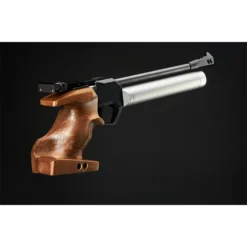
Snowpeak Airguns
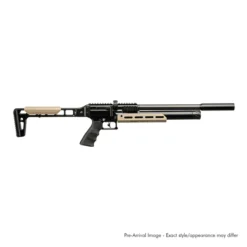
Snowpeak Airguns
Snowpeak Airguns
Snowpeak Airguns
Snowpeak Airguns
Snowpeak Airguns
Snowpeak Airguns
Snowpeak Airguns
Reviews
There are no reviews yet.