Daystate Delta Wolf Smart
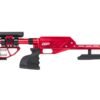
€1,300.00
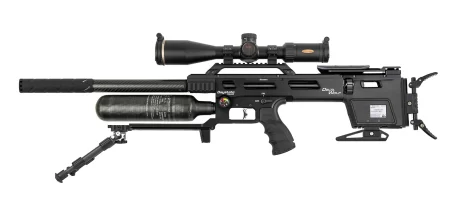
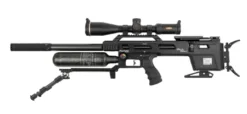
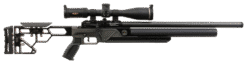
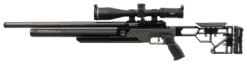
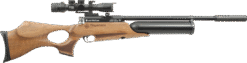
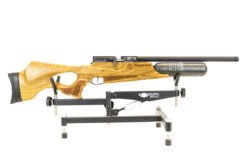
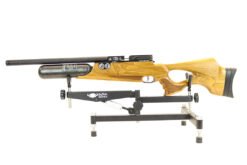
The new Daystate Delta Wolf Smart represents a fresh take on our revolutionary electronic PCP air rifle.
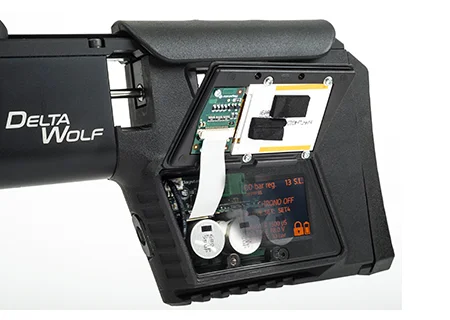
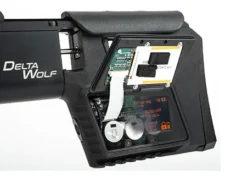
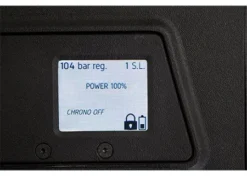
As its name suggests, the Delta Wolf Smart is every bit as clever as its forebear. However, we have made it smarter by loading it with simpler electronic programs. These compute without the need of any integral chronograph, making the Delta Wolf Smart model much easier to operate. So Daystate can offer the Smart variant at a lower price than a standard Delta Wolf. Yes, you can now enjoy the world’s most advanced tactical bullpup in an even more affordable package!
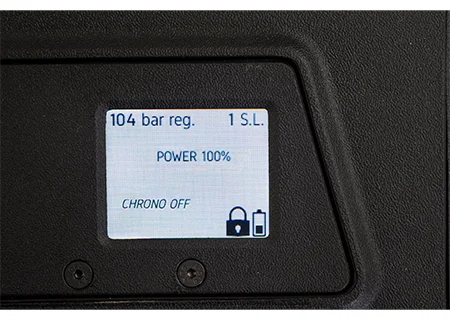
Of course, a Delta Wolf Smart is still, well… smart! At its core, it retains the fabled Delta Wolf computerised action that’s programmed to deliver the incredible performance this groundbreaking electronic PCP air rifle is known for. But with the less complicated, ‘lite’ electronics platform of the Delta Wolf Smart, the shooter can simply ‘set and forget’… and then just concentrate on getting on with their shooting!
Plus, you still get the myriad of other specs that have won our flagship tactical PCP plaudits from around the globe. Features that include a bullpup style ambi stock design with integral Picatinny accessory rails; adjustable intermount, cheek, butt pad and trigger; reversible sidelever and magazine; carbon-fibre buddy bottle and shrouded ART barrel. It also retains user-set touchscreen firing mode operation and firmware upgrade capability with Windows home computer integration (via optional DTD link), and it comes with an adjustable factory-fitted HUMA-Air Regulator.
Thanks to its computerised design, the Smart models software can easily be upgraded. So, should you ever want to add the onboard chronograph and full electronics program at a later date, the Delta Wolf Smart lets you do just that. Meanwhile, the modular design of the Delta Wolf Smart means you can dress it with all manner of accessories. Butt claws, bag riders, forend extension rails, single-shot loaders – the Delta Wolf Smart can be the exact rifle you want it to be. Now that’s what we call pretty smart!
Daystate Delta Wolf Smart Specifications
- Type – PCP
- Scope Rail – Picatinny
- Calibre – .177 / .22
- Power Output – 10.8 – 11.8 ft lbs
- Shots Per Fill – 177 – 400 Shots – .22 – 450 Shots
- Shots in Magazines – 177 – 13 Shots – .22 – 11 Shots
- Overall Length – 722mm
- Barrel Length – 430mm
- Cylinder Capacity – 480cc
- Max Fill Pressure – 240 Bar
- Weight – 3.35kg
Included with this Rifle
- Number of Mags 1
- Comes with Hardcase
- Fill Probe
- Quick connect attachment
- Threaded for use with 1/2 UNF moderators
- Warranty – Lifetime
Daystate Accessories Package
As an optional extra, Daystate are offering an attractively priced accessories package. The package includes:
- Aim Bipod
- 0dB Moderator
- PRS Cheek Riser
- PRS Adjustable Butt Plate
- PRS Bag Rider
Daystate Delta Wolf Smart – Advanced Electronic PCP Air Rifle Technology and Precision Engineering
INTRODUCTION TO SMART AIR RIFLE TECHNOLOGY AND PLATFORM DESIGN
Understanding the Evolution of Modern PCP Systems
The development of pre-charged pneumatic (PCP) air rifles has accelerated significantly over the past two decades. Early PCP systems focused primarily on storing compressed air efficiently and delivering consistent projectile propulsion. As technology advanced, manufacturers began integrating electronic controls, digital interfaces, advanced pressure management systems, and modular design philosophies into modern platforms.
The Daystate Delta Wolf Smart represents part of this technological progression. It combines compressed-air propulsion, electronic management systems, and configurable platform architecture within a single integrated design. Rather than relying exclusively on traditional mechanical components, the platform incorporates digital technologies intended to support consistency, adaptability, and user customization.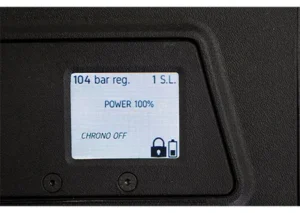
Understanding the Delta Wolf Smart requires examining how modern electronic systems interact with conventional PCP engineering principles. This interaction forms the foundation of the platform’s design philosophy.
What Is a Smart Air Rifle Platform?
The term “smart” in this context generally refers to the integration of electronic control systems and programmable features within the overall architecture.
Traditional PCP air rifles often depend entirely on mechanical systems for operation. Smart platforms introduce electronic elements that may manage specific operational functions while providing additional levels of user interaction.
Potential objectives of smart technology include:
Enhanced Consistency
Electronic controls can help maintain predictable operation.
Configurability
Certain operating parameters may be adjustable through digital interfaces.
Monitoring Capabilities
Electronic systems can provide information regarding operational status.
System Integration
Digital management allows multiple subsystems to work together more efficiently.
The result is a platform that combines conventional pneumatic engineering with modern electronics.
PCP Technology Fundamentals
At its core, the platform remains a pre-charged pneumatic system.
Compressed air is stored within an onboard reservoir and serves as the primary energy source. During operation, controlled amounts of air are released to propel the projectile through the barrel.
Key characteristics of PCP systems include:
- Stored energy prior to firing
- Multi-shot capability
- Consistent power delivery
- Reduced mechanical vibration
- Compatibility with precision-oriented applications
These characteristics have contributed to the widespread adoption of PCP technology among airgun enthusiasts.
The Importance of Electronic Integration
Electronic integration represents one of the most significant developments in contemporary airgun engineering.
Several potential benefits are associated with digital management systems:
Precision Control
Electronic systems can operate with extremely high repeatability.
Reduced Mechanical Wear
Some functions traditionally performed by mechanical components may be managed electronically.
Adaptability
Users may be able to adjust certain operational characteristics.
Data Feedback
Electronic interfaces can provide useful system information.
These capabilities illustrate why manufacturers continue investing in electronic technologies.
Modular Architecture and Platform Flexibility
Modern engineering increasingly emphasizes modularity.
A modular platform allows components and configurations to be adapted according to user requirements while maintaining overall system integrity.
Benefits of modular design may include:
Configurability
Users can tailor the platform to specific needs.
Serviceability
Individual components may be easier to access.
Future Adaptability
Modular systems often accommodate technological evolution more effectively.
Ergonomic Customization
Adjustments can improve user comfort and control.
This design philosophy reflects broader trends throughout the shooting sports industry.
Understanding Precision-Oriented Design
Precision is rarely the result of a single component. Instead, it emerges from the interaction of numerous systems working together consistently.
Important contributors include:
Air Management
Stable pressure delivery supports repeatability.
Barrel Quality
Barrel characteristics influence projectile behavior.
Trigger Performance
Predictable trigger operation supports consistency.
Structural Stability
Rigid construction helps maintain alignment.
User Technique
Fundamental shooting skills remain essential.
The platform is designed around these interconnected principles.
Ergonomics and User Interaction
A modern precision platform must function effectively as an extension of the user.
Several ergonomic considerations influence overall usability:
Grip Geometry
Comfortable grip design supports control.
Cheek Support
Consistent head positioning assists sight alignment.
Balance
Weight distribution affects handling characteristics.
Accessibility
Controls should remain intuitive and easy to operate.
These elements collectively influence shooting comfort and confidence.
Air System Design and Efficiency
The compressed-air system represents one of the most important engineering aspects of any PCP platform.
Several factors influence efficiency:
Reservoir Capacity
Available air storage affects operational duration.
Pressure Regulation
Regulators help maintain consistency.
Airflow Management
Efficient airflow supports repeatable operation.
Resource Utilization
Efficient systems maximize available air.
Together, these factors contribute to overall performance Daystate Delta Wolf Smart.
Practical Applications
Modern PCP platforms are commonly associated with activities such as:
Target Shooting
Precision-oriented environments often emphasize consistency and repeatability.
Technical Skill Development
Shooters may use PCP systems to refine marksmanship fundamentals.
Recreational Shooting
Many enthusiasts appreciate the technology and engineering involved.
Activities remain subject to local laws and regulations.
Maintenance Considerations
Long-term reliability depends on appropriate care.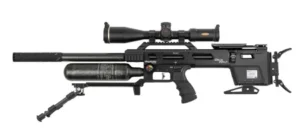
Routine maintenance typically includes:
- Monitoring air system condition
- Inspecting external surfaces
- Evaluating electronic components
- Checking fasteners
- Following storage recommendations
Preventive maintenance helps preserve operational consistency.
ELECTRONIC CONTROL SYSTEMS, ADVANCED AIR MANAGEMENT, AND PERFORMANCE CONSISTENCY
The Rise of Digital Integration in Modern Engineering
Technology continues to transform equipment across numerous industries, and precision-focused pneumatic systems are no exception. Digital integration has allowed manufacturers to introduce new methods of controlling, monitoring, and optimizing operational behavior. Rather than relying entirely on traditional mechanical interactions, contemporary designs increasingly incorporate electronic management systems that contribute to consistency and adaptability.
The transition toward electronically controlled operation represents a significant shift in engineering philosophy. Instead of focusing solely on mechanical refinement, designers now combine hardware and software principles to create highly integrated systems capable of managing multiple variables simultaneously.
This approach enables a greater degree of precision while also supporting user customization and long-term consistency.
Understanding Electronic Management Architecture
Electronic management systems serve as the central control framework responsible for coordinating various operational functions.
Several objectives guide their implementation:
Consistent Operation
Electronic control can reduce variations that might occur through purely mechanical interactions.
Monitoring Capabilities
Digital systems can provide information regarding operational status.
Adaptability
Certain parameters may be adjusted to suit specific requirements.
System Coordination
Multiple components can work together through centralized management.
These capabilities have contributed to the growing popularity of electronically assisted platforms.
Digital Precision and Repeatability
One of the primary reasons engineers adopt electronic controls is repeatability.
Repeatability refers to the ability of a system to perform consistently under similar conditions.
Several factors contribute to repeatable operation:
Precise Signal Control
Electronic systems can operate with extremely small tolerances.
Reduced Mechanical Variation
Fewer moving components may reduce variability.
Stable Operation
Digital management helps maintain consistent behavior.
Predictable Responses
Users often benefit from reliable and repeatable system performance.
These characteristics are particularly valuable in applications where consistency is prioritized Daystate Delta Wolf Smart.
Advanced Airflow Control Principles
Airflow management remains a critical aspect of pneumatic system design.
Compressed air must travel efficiently through the platform while maintaining stable operating conditions.
Important considerations include:
Flow Efficiency
Efficient pathways reduce unnecessary energy loss.
Controlled Delivery
Precise airflow contributes to consistency.
Pressure Stability
Stable pressure supports predictable operation.
Resource Optimization
Efficient use of available air improves overall effectiveness.
Together, these factors influence system performance and operational efficiency.
Pressure Regulation Technology
Pressure regulation plays an essential role in maintaining consistency throughout the operating cycle.
Without effective regulation, pressure variations may influence system behavior as reservoir pressure changes.
Modern regulation systems focus on:
Maintaining Stable Output
Consistent pressure delivery helps support repeatability.
Reducing Variability
Stable operating conditions contribute to predictable results.
Improving Efficiency
Regulated systems often utilize available resources more effectively.
Supporting Long-Term Consistency
Reliable regulation remains important throughout extended usage periods.
These principles form the foundation of modern pressure management strategies.
Structural Stability and Mechanical Integrity
While electronic systems receive considerable attention, structural engineering remains equally important.
A precision-oriented platform must maintain alignment and rigidity throughout operation.
Several areas require careful engineering:
Receiver Stability
Structural rigidity supports consistency.
Component Alignment
Accurate alignment contributes to predictable performance.
Mounting Interfaces
Stable mounting surfaces help preserve optical alignment.
Load Distribution
Proper load management reduces stress concentrations.
Strong structural foundations allow other systems to function more effectively.
User Interface and System Interaction
The interaction between user and equipment plays a major role in overall effectiveness.
Modern interfaces are often designed to provide:
Accessibility
Controls should remain intuitive and easy to reach.
Clarity
Information should be presented clearly.
Responsiveness
System feedback should be immediate and predictable Daystate Delta Wolf Smart.
Customization
Users may benefit from configurable options.
A well-designed interface simplifies operation while supporting user confidence.
Configurability and Adaptability
Adaptability has become increasingly important in modern equipment design.
Different users often have different preferences and requirements.
Configurable systems may support:
Personalized Settings
Users can adjust certain parameters to match individual preferences.
Environmental Adaptation
Different conditions may require different configurations.
Application Flexibility
Various activities may benefit from different setups.
Long-Term Usability
Adaptable systems often remain useful across changing needs.
These advantages contribute to overall platform versatility.
Energy Management Strategies
Efficient energy utilization remains an important engineering objective.
Several principles guide energy management:
Minimizing Waste
Reducing unnecessary losses improves efficiency Daystate Delta Wolf Smart.
Optimizing Delivery
Resources should be utilized effectively Daystate Delta Wolf Smart.
Maintaining Stability
Consistent energy delivery supports repeatability.
Preserving Reliability
Efficient systems often experience less stress over time.
These strategies help maximize overall performance.
Environmental Factors and Operational Consistency
External conditions can influence performance regardless of system sophistication.
Important environmental variables include:
Temperature
Temperature changes may affect pressure characteristics.
Humidity
Environmental moisture can influence equipment condition.
Wind
Wind remains one of the most significant external influences.
Lighting Conditions
Visibility affects observation and aiming.
Understanding environmental influences helps users interpret results more accurately.
Human Factors and Precision
Technology can support performance, but user input remains essential.
Several human factors contribute to outcomes:
Technique
Consistent technique supports repeatable results.
Experience
Experience improves understanding and decision-making.
Concentration
Focus remains important in precision-oriented activities.
Familiarity
Regular use helps users better understand system behavior Daystate Delta Wolf Smart.
The relationship between user and equipment remains central to overall effectiveness Daystate Delta Wolf Smart.
Long-Term Reliability Considerations
Reliability results from a combination of engineering quality, maintenance practices, and responsible operation.
Important contributors include:
Material Selection
Quality materials support durability.
Manufacturing Precision
Accurate production improves consistency.
Protective Measures
Proper protection helps preserve critical components.
Preventive Maintenance
Routine care supports long-term operation.
Together, these factors influence ownership satisfaction and system longevity.
Future-Oriented Design Philosophy
Modern development increasingly focuses on integration, efficiency, and adaptability.
Future advancements are likely to emphasize:
- Enhanced electronic coordination
- Improved efficiency
- Greater customization
- Advanced materials Daystate Delta Wolf Performance Air Rifle
- Better user interfaces
- Increased reliability
These trends continue shaping the evolution of digitally managed pneumatic platforms.
LONG-TERM OWNERSHIP, MAINTENANCE PRACTICES, USER EXPERIENCE, AND FUTURE ADAPTABILITY
Designed for Long-Term Reliability
Modern precision-oriented equipment is expected to perform consistently not only during its first few sessions but throughout years of regular use. Achieving this level of reliability requires a combination of advanced engineering, quality manufacturing, careful material selection, and responsible ownership practices.
Long-term reliability is often the result of many small design decisions working together. Component durability, environmental protection, system integration, and maintenance accessibility all contribute to preserving operational consistency over time.
A platform designed with longevity in mind provides users with greater confidence, reduced downtime, and a more predictable ownership experience.
Understanding Ownership Beyond Specifications
Performance specifications provide useful information, but long-term satisfaction depends on many additional factors.
Several elements influence ownership value:
Reliability
Consistent operation helps build trust in the equipment.
Durability
Quality construction supports extended service life.
Ease of Maintenance
Accessible maintenance procedures simplify ownership responsibilities.
Adaptability
Flexible systems remain useful as user needs evolve.
User Confidence
Predictable behavior contributes daystare to a more enjoyable experience.
These characteristics often become more important over time than individual technical specifications.
Preventive Maintenance Philosophy
Preventive maintenance focuses on preserving performance before problems develop.
The goal is not simply repairing issues but preventing them from occurring.
Benefits include:
Reduced Downtime
Routine inspections often identify concerns early.
Improved Consistency
Well-maintained systems tend to operate more predictably.
Extended Component Life
Regular care helps reduce unnecessary wear.
Greater Operational Confidence
Users gain reassurance when equipment is properly maintained.
Preventive maintenance remains one of the most effective approaches to long-term equipment preservation.
Routine Inspection Procedures
Regular inspections help users monitor overall condition.
Important areas often include:
External Components
Visible surfaces should be checked for wear, corrosion, or damage.
Fasteners
Mounting hardware should remain secure and properly tightened.
Air System Components
Pressure-related areas should be inspected periodically.
Electronic Assemblies
Electronic components should remain clean and protected from environmental contamination.
Accessory Interfaces
Mounting points and connection areas should be evaluated for stability.
Consistent inspections support reliable operation.
Environmental Protection and Storage
Storage conditions play a significant role in preserving equipment.
Moisture Control
Excessive moisture may contribute to corrosion and component deterioration.
Temperature Stability
Extreme temperature changes can influence materials and seals.
Dust Management
Clean storage environments help reduce contamination risks.
Secure Storage
Controlled access supports responsible ownership Daystate PCP Rifle.
Appropriate storage practices help maintain both appearance and functionality Buy Daystate Delta Wolf Performance.
Managing Component Lifecycles
Every system experiences wear over time.
Several factors influence component longevity:
Frequency of Use
Higher usage levels generally increase cumulative wear.
Environmental Conditions
Harsh conditions may accelerate aging processes.
Maintenance Quality
Regular care often slows wear progression magpul moe si.
Operating Practices
Responsible use reduces unnecessary stress.
Understanding expected wear patterns helps users establish realistic maintenance schedules.
System Preservation Through Proper Care
Preserving long-term performance requires attention to several key areas.
Cleaning Procedures
Routine cleaning helps maintain operational condition puddy bottle cover.
Inspection Schedules
Regular evaluations allow concerns to be identified early Daystate Delta Wolf Performance review.
Component Monitoring
Critical areas should be monitored for signs of wear.
Following Manufacturer Guidance
Recommended maintenance procedures should always be observed.
Proper care supports reliability throughout the equipment lifecycle Daystate Delta Wolf PCP Air Rifle.
User Experience and Practical Operation
Technical sophistication is valuable only when it contributes positively to the user experience Daystate Delta Wolf Smart.
Several characteristics influence overall satisfaction:
Ease of Operation
Intuitive controls simplify daily use daystate wolverine sapphire.
Daystate Delta Wolf Smart Predictable Behavior Daystate Delta Wolf Smart
Consistency helps users develop confidence.
Comfort
Ergonomic design supports longer and more enjoyable sessions.
Familiarity
Repeated use improves understanding and effectiveness Daystate Delta Wolf Smart.
Together, these factors shape the overall ownership experience.
The Role of Ergonomics in Long-Term Satisfaction
Comfort influences performance more alpha red wolf than many users initially realize.
Effective ergonomics contribute to:
Reduced Fatigue
Comfortable positioning helps preserve concentration Daystate Delta Wolf Smart.
Improved Consistency Daystate Delta Wolf Smart
Repeatable positioning supports stable technique how to put a gun sling on a rifle.
Better Control
Natural interaction improves confidence daystate redwolf.
Enhanced Focus
Reduced physical strain allows greater attention to task execution huntsman daystate.
These benefits become increasingly important during extended use Daystate Electronic PCP Rifle.
Adaptability and Future-Proofing
Technology continues evolving rapidly, making adaptability an increasingly valuable characteristic.
Flexible platforms often provide advantages such as:
Continued Relevance
Adaptable systems may remain useful longer daystate alpha wolf.
Customization Opportunities
Users can tailor configurations to individual preferences day state.
Evolving Requirements
Changing needs can often be accommodated more easily.
Expanded Functionality
Future developments may be easier to integrate.
Adaptability contributes significantly to long-term ownership value can wolverine go on planes.
Building User Confidence Through Consistency
Confidence is developed through repeated positive experiences day wolfm-lok to picatinny rail adapter.
Several factors support confidence daystate redwolf price:
Reliable Operation
Dependability reduces uncertainty Smart PCP air rifle.
Predictable Results
Consistent behavior helps users understand system performance.
Familiar Controls
Intuitive operation simplifies interaction air gun pc.
Stable Performance
Reliable functionality 177 magazine encourages trust Daystate Delta Wolf Smart.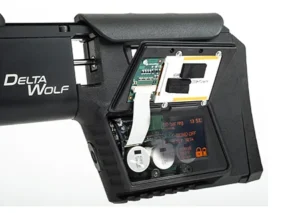
Confidence often becomes one of the most valuable benefits of long-term ownership Daystate Delta Wolf Smart.
Human Performance and Equipment Interaction
Even highly advanced systems depend on effective user interaction Daystate Delta Wolf SmartDaystate Delta Wolf Smart.
Several human factors influence outcomes:
Technique Development
Skills improve through practice and repetition Daystate Delta Wolf for sale.
Experience
Experience supports better decision-making alpha wolf barrel.
Observation
Careful observation helps users understand system behavior daystate blackwolf.
Consistency cocking ball
Repeatable habits support repeatable outcomes.
The relationship between user and equipment remains central to overall effectiveness airgun moderator.
Long-Term Value Considerations
Value extends beyond purchase decisions and initial impressions air gun suppressor.
Important contributors include fx airgun dealer near me Best electronic PCP air rifle:
Reliability Over Time
Consistent performance supports satisfaction what is a delta wolf.
Serviceability black snood
Maintenance accessibility simplifies ownership enhanced rubber butt pad how to attach sling to rifle.
Durability
Quality construction preserves functionality weatherby vanguard trigger adjustment.
Adaptability Daystate Delta Wolf Smart
Flexible systems remain useful across changing requirements.
Ownership Experience
Overall satisfaction influences perceived value delta wolf.
Long-term value emerges from the interaction of all these factors wolf battery.
Looking Toward Future Innovation
Technological advancement continues influencing modern engineering.
Future developments are likely to focus on:
Enhanced Integration
Systems may become increasingly interconnected Daystate Delta Wolf Smart.
Greater Efficiency
Engineers continue pursuing improved resource utilization Daystate Delta Wolf Smart.
Advanced Materials air rifle moderator
Material science innovations may further improve durability Daystate Delta Wolf Smart.
Improved User Interfaces
Future designs may provide even greater accessibility Daystate Delta Wolf Smart.
Expanded Customization
Users may gain additional configuration options Daystate Delta Wolf Smart.
These trends will continue shaping the next delta wolf meaning generation of precision-oriented technology Daystate Delta Wolf Smart.
Be the first to review “Daystate Delta Wolf Smart”
Related products
daystate
daystate
daystate
Reviews
There are no reviews yet.