
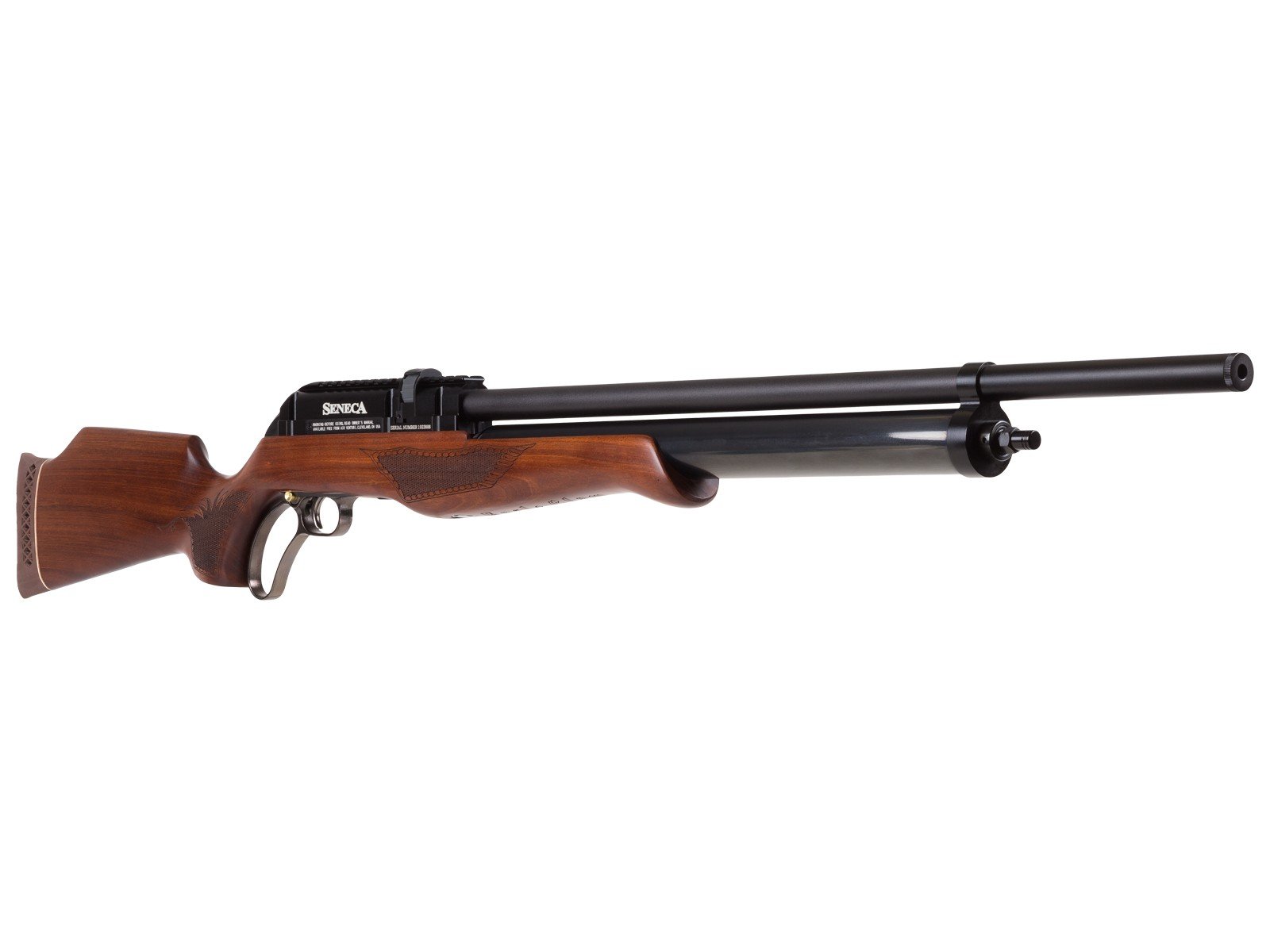
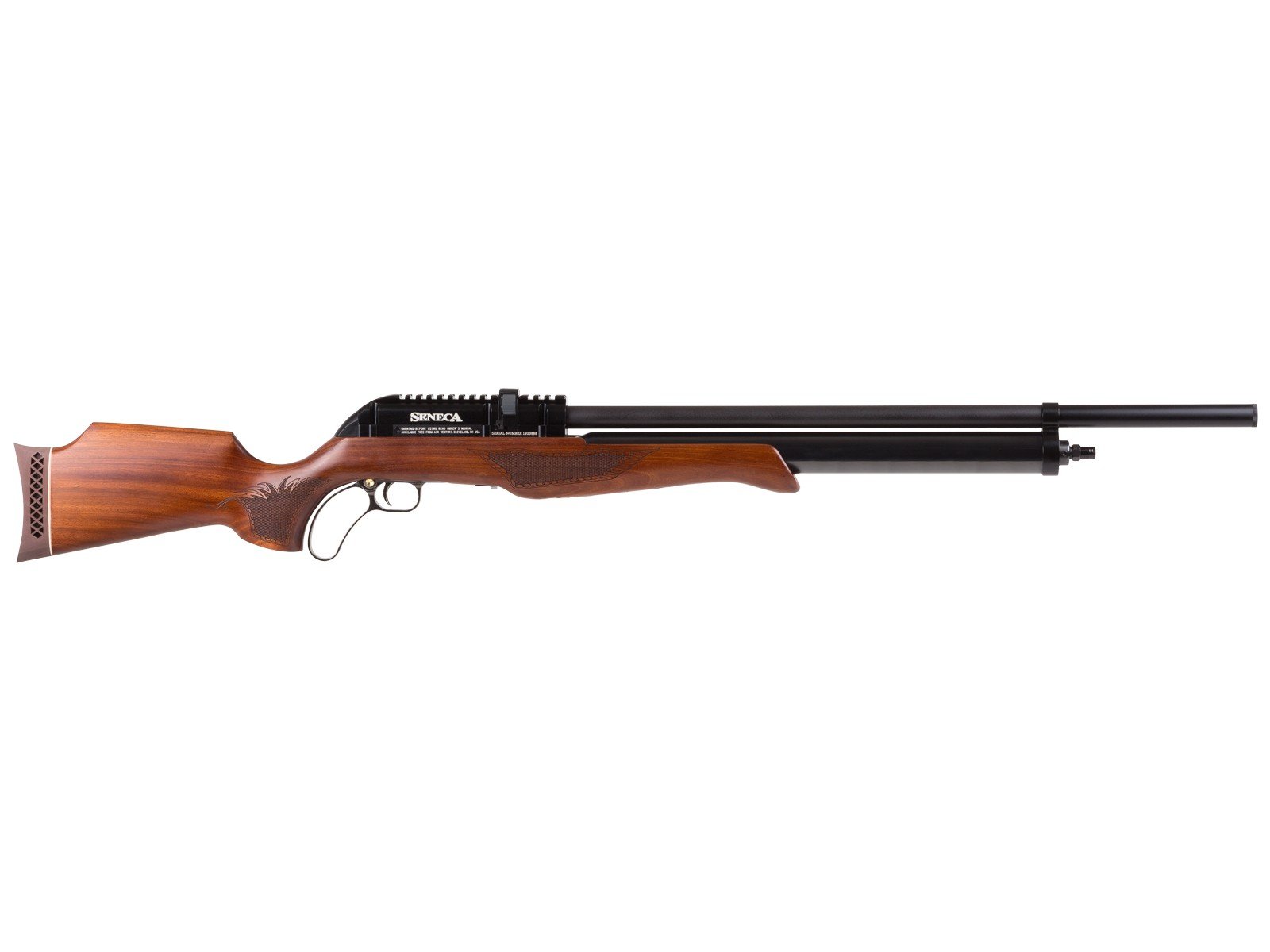
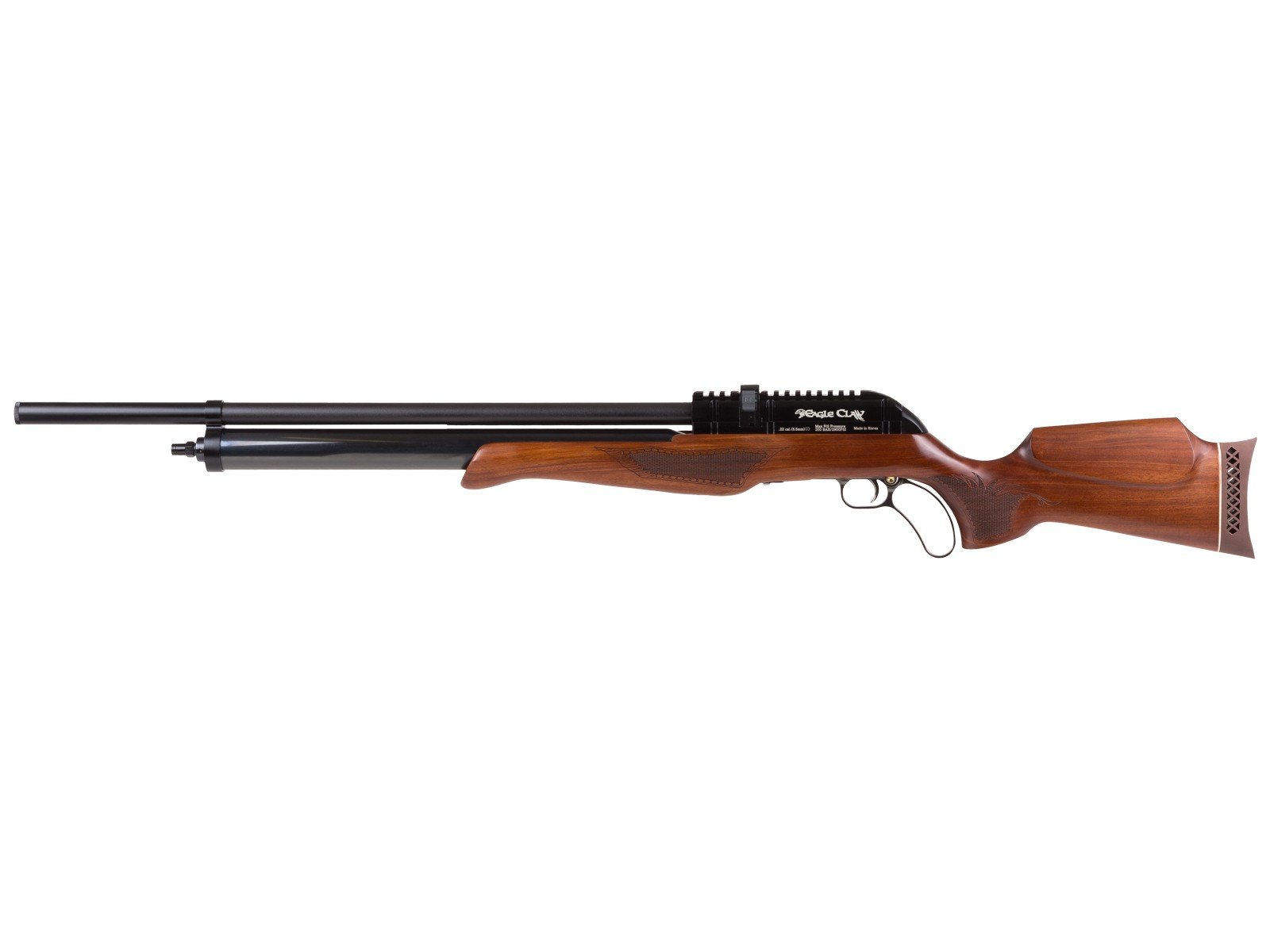
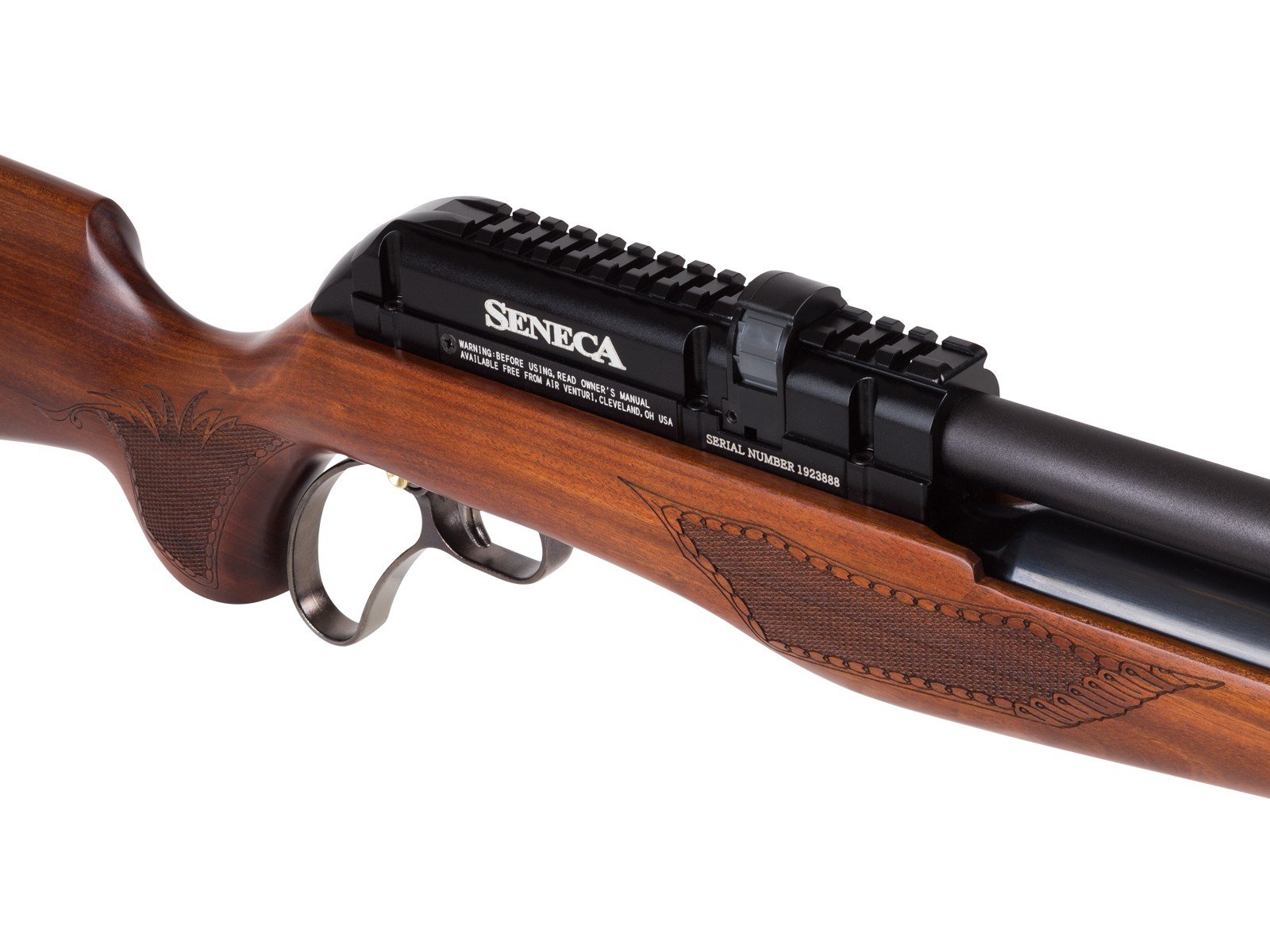
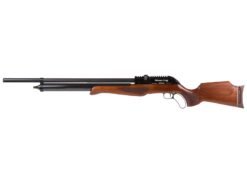
Seneca Eagle Claw
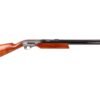
€400.00
Seneca Eagle Claw Features
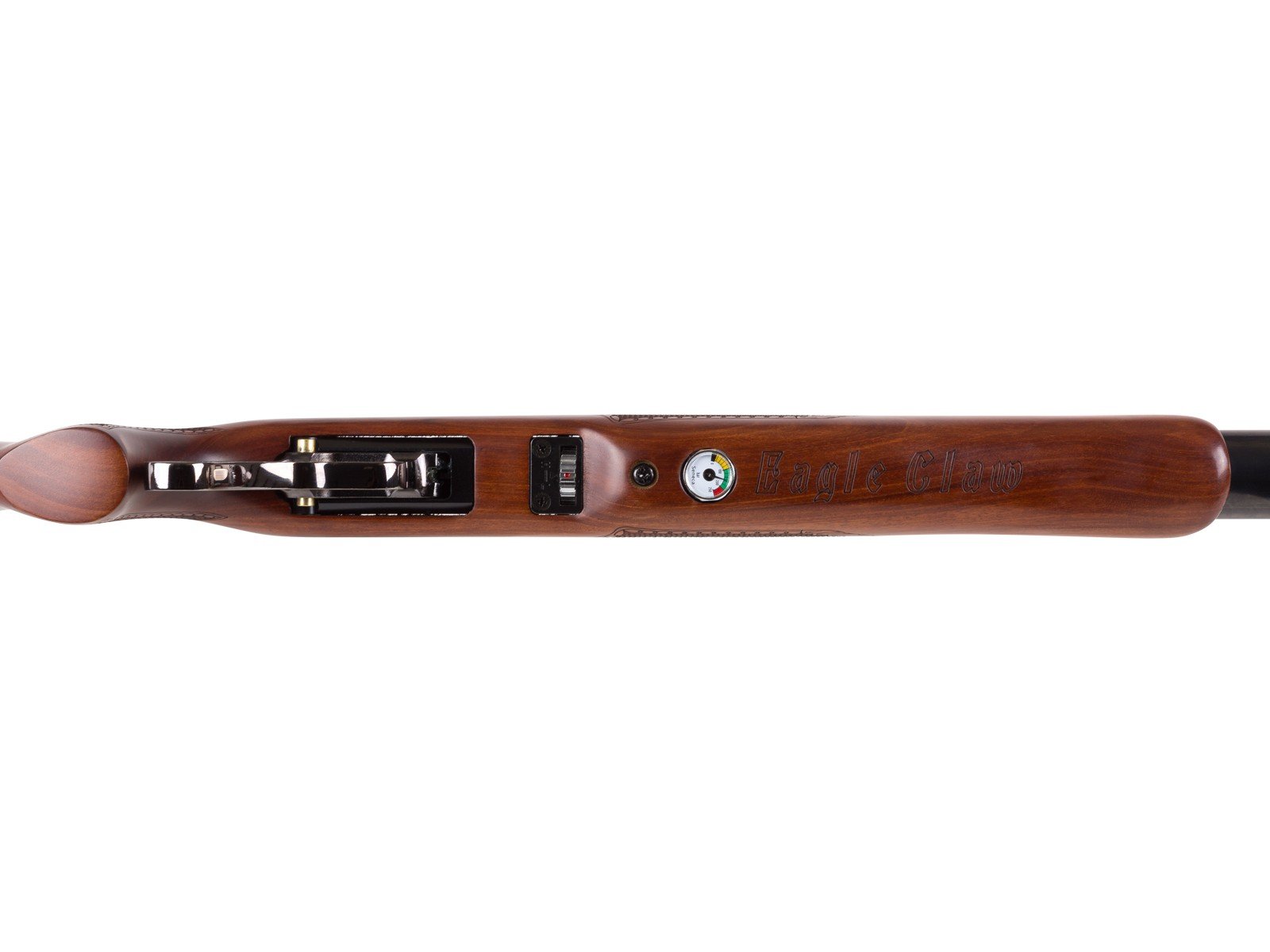
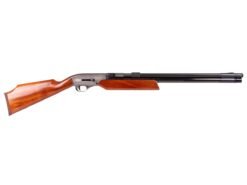
- Right-handed Indonesian Walnut Monte Carlo stock
- Rubber recoil pad
- 3000 PSI (200 BAR) max fill pressure
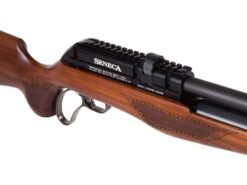
- Lever-action repeater
- Checkered pistol grip and forestock
- Weaver optics rail
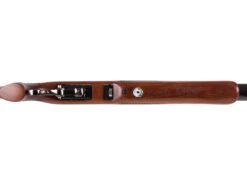
- 10-shot magazine in .22 cal. 8-shot mag in .25 cal.
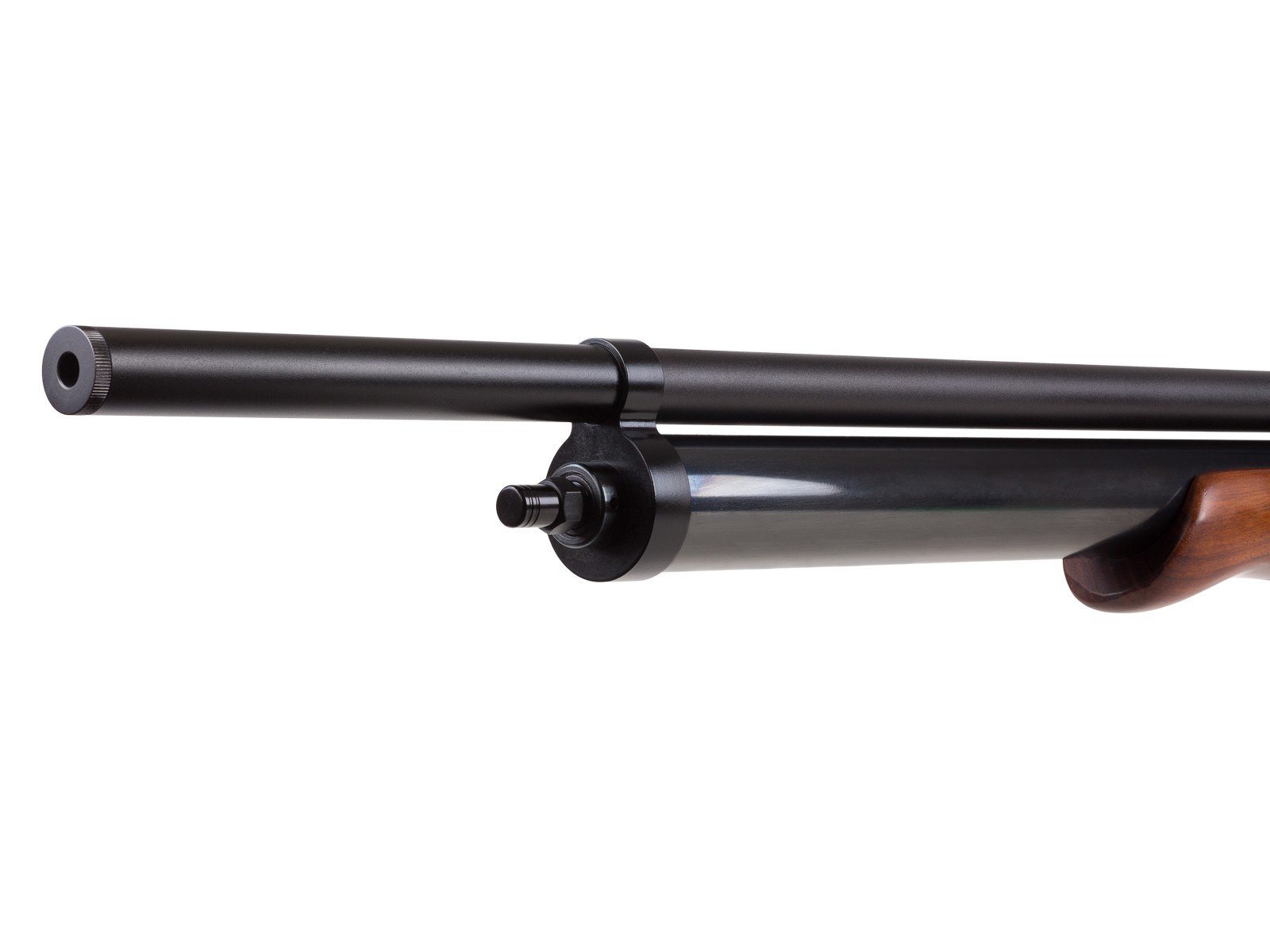
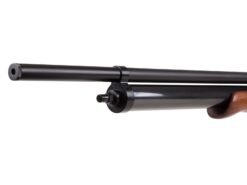
- Shrouded barrel
- Barrel length: 20.5″
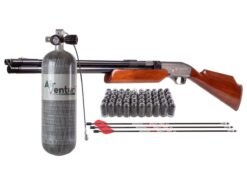
- Foster quick disconnect fill fitting
- Adjustable power
- Follow-up shots delivered in less than a second
Seneca Eagle Claw – Precision Air Rifle with Classic Engineering and Modern Control
Design Philosophy and Engineering Framework
The Seneca Eagle Claw has been developed with a clear focus on precision, durability, and consistent performance. In recent years, air rifle technology has evolved to prioritize controlled output and user adaptability. Therefore, platforms like the Eagle Claw are engineered to meet these modern expectations while maintaining traditional design elements.
To begin with, the rifle is built around a pre-charged pneumatic (PCP) system, which serves as the foundation of its performance. Compressed air is stored within a reservoir and released in controlled amounts during operation. Because of this regulated airflow, output remains consistent. As a result, shot-to-shot variation is minimized, which enhances accuracy.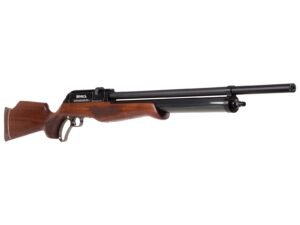
In addition, the design emphasizes airflow efficiency. Internal pathways have been optimized to reduce resistance and ensure smooth energy transfer. Because of this, performance remains stable even during extended use. Consequently, users experience reliable operation across multiple cycles.
Moreover, the rifle incorporates a precision barrel system. The barrel has been engineered with rifling that stabilizes projectiles during travel. Because of this, alignment is maintained from entry to exit. As a result, shot grouping is improved, which supports precision shooting.
Another important aspect is the balance between power and control. While the rifle is capable of delivering strong output, it has been designed to maintain manageable recoil. Because of this, handling remains stable. Consequently, users can maintain consistent aim during operation.
Furthermore, the Eagle Claw features a durable structural framework. High-quality materials have been selected to withstand repeated use. Because of this, the rifle maintains its integrity over time. As a result, long-term reliability is supported.
In addition, the design includes ergonomic considerations that enhance usability. The stock and grip areas are shaped to support natural positioning. Because of this, comfort is maintained during extended sessions. Consequently, fatigue is reduced, which improves overall performance.
Another key factor is the trigger system, which has been engineered for precision control. A smooth and predictable trigger pull allows for controlled shot release. Because of this, unwanted movement is minimized. As a result, accuracy is enhanced.
Moreover, the rifle supports optics integration, allowing users to attach scopes or other aiming devices. Because of this, precision can be further improved. Consequently, the platform becomes more versatile for different applications.
In terms of construction, the Eagle Claw reflects a balance between traditional design and modern innovation. While it maintains classic structural elements, it incorporates advanced engineering techniques. Because of this, it appeals to both experienced users and those seeking reliable performance seneca eagle claw.
Additionally, the rifle has been designed with ease of maintenance in mind. Components are accessible for routine inspection and care. Because of this, long-term upkeep is simplified. Consequently, performance can be maintained over time.
Another aspect to consider is manufacturing precision. Each component is produced with strict tolerances to ensure proper alignment. Because of this, interaction between parts remains consistent. As a result, reliability is enhanced.
Furthermore, the rifle supports consistent shooting rhythm. Because airflow and mechanical systems are stable, users can develop a predictable pace. Consequently, accuracy is reinforced through repetition.
Finally, the overall design philosophy centers on delivering a controlled and reliable shooting platform. By integrating precision engineering with durable construction, the Seneca Eagle Claw achieves a high level of performance. Therefore, it remains a strong option within its category seneca eagle claw.
Mechanical Systems, Airflow Regulation, and Build Quality Seneca Eagle Claw big bore air rifle
Following the design philosophy, it is essential to examine the internal mechanics and structural composition of the Seneca Eagle Claw. While the external design emphasizes balance and control, the internal systems determine how efficiently the rifle performs. Therefore, this section focuses on airflow regulation, mechanical integration, and overall build quality seneca eagle claw.
To begin with, the Eagle Claw operates on a pre-charged pneumatic (PCP) system, which uses compressed air stored in a reservoir. When the trigger is engaged, air is released through a controlled valve mechanism. Because of this regulated release seneca eagle claw, energy delivery remains consistent seneca eagle claw. As a result, shot-to-shot variation is reduced significantly.
In addition, the rifle incorporates an advanced valve system that manages airflow with precision seneca eagle claw. The valve opens and closes rapidly, allowing the correct volume of air to be released at the right moment. Because of this timing accuracy, efficiency is improved. Consequently, unnecessary air loss is minimized seneca eagle claw.
Moreover, the system includes a regulated airflow pathway. Internal channels guide compressed air smoothly from the reservoir to the barrel. Because of this streamlined flow, turbulence is reduced. As a result, energy transfer becomes more efficient, which supports consistent performance seneca eagle claw.
Another important aspect is the pressure management system. The reservoir is designed to operate within defined pressure limits. Because of this, stability is maintained throughout the usage cycle. Consequently, performance remains predictable even as air levels change.
Furthermore, the rifle features a precision-engineered barrel. The rifling inside the barrel stabilizes projectiles during travel. Because of this, alignment is maintained from entry to exit. As a result, accuracy is enhanced and shot grouping improves.
In addition, the trigger mechanism plays a critical role in mechanical performance. A smooth and responsive trigger allows for controlled shot release. Because of this, user input is translated into precise action. Consequently, accuracy is improved during operation.
Another key factor is the structural framework of the rifle. High-quality materials have been used to ensure durability. Because of this, the system can withstand repeated mechanical stress. As a result, long-term reliability is supported.
Moreover, the design includes reinforced connection points. Areas where components meet have been strengthened to handle stress. Because of this, structural integrity is maintained. Consequently, the rifle remains stable during use.
In addition, the rifle demonstrates balanced weight distribution. Components are positioned to maintain a stable center of gravity. Because of this, handling becomes more controlled. As a result, users can maintain accuracy over extended sessions.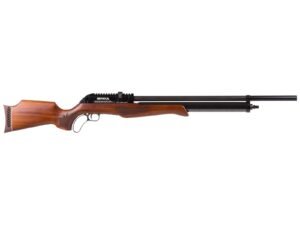
Another aspect to consider is the integration of mechanical systems. The valve, reservoir, barrel, and trigger all work together as a cohesive unit. Because of this integration seneca eagle claw, the rifle operates smoothly. Consequently, efficiency and reliability are enhanced.
Furthermore, the Eagle Claw supports consistent energy output. Because airflow is regulated and components are aligned precisely, each shot delivers similar performance. As a result, predictability is maintained.
Additionally, the rifle has been designed with ease of maintenance in mind. Key components can be accessed for inspection and servicing. Because of this, upkeep becomes manageable. Consequently, long-term performance is easier to maintain seneca eagle claw.
Another important feature is the reduction of mechanical vibration. During operation, internal movement is controlled to minimize disturbance. Because of this, stability is maintained during firing. As a result, accuracy is not compromised.
Moreover, the system reflects advancements in modern PCP engineering. By combining efficient airflow management with durable construction, the rifle achieves a high level of performance. Because of this, it remains competitive within its category.
In addition, the materials used in construction contribute to resistance against environmental factors. Components are designed to withstand temperature variations and moisture. Because of this, reliability is maintained across different conditions.
Another key factor is the compatibility with various accessories. The rifle supports optics and other attachments. Because of this, users can customize their setup. Consequently, versatility is increased.
Furthermore, the mechanical simplicity of the system reduces potential failure points. Because fewer unnecessary components are included, reliability is improved seneca eagle claw. As a result, the rifle remains dependable over time.
Finally, all mechanical elements work together to create a balanced and efficient system seneca eagle claw. The combination of regulated airflow, precise engineering, and durable materials ensures consistent performance. Because of this integration, the rifle delivers reliable results in practical use seneca eagle claw.
User Experience, Handling Control, and Practical Performance Seneca Eagle Claw PCP
After analyzing the internal mechanics and airflow systems, it is essential to understand how the Seneca Eagle Claw performs from a user perspective. While engineering determines capability, the real value of the rifle is defined by handling, responsiveness, and consistency during use. Therefore, this section focuses on ergonomics, shooting dynamics, and practical usability seneca eagle claw.
To begin with, the Eagle Claw has been designed to provide a balanced and controlled handling experience. Because the internal components are distributed evenly, the rifle maintains a stable center of gravity. As a result, users can hold and aim the rifle with minimal effort. This stability is particularly beneficial during extended shooting sessions.
In addition, the PCP system contributes to smooth operation. Unlike systems that generate significant recoil, compressed air delivers energy in a controlled manner. Because of this, mechanical feedback is reduced. Consequently, the rifle remains steady during firing, which supports consistent shot placement.
Moreover, the ergonomic stock design enhances comfort and usability. The grip and shoulder support areas have been shaped to match natural body positioning. Because of this, the rifle feels secure in the hands. As a result, users experience less fatigue over time seneca eagle claw.
Another important aspect is the trigger response, which plays a critical role in precision. A clean and predictable trigger pull allows for controlled shot release. Because of this, unwanted movement is minimized at the moment of firing. Consequently, accuracy is improved seneca eagle claw.
Furthermore, the rifle supports a smooth operational flow. The sequence of loading, aiming, and firing is coordinated efficiently. Because of this, transitions between actions feel natural. As a result, users can maintain a steady rhythm during use.
In practical terms, the Eagle Claw excels in precision-focused scenarios. Since the system emphasizes consistency and control, it is well-suited for applications where accuracy is essential. Because of this, users can achieve tight shot groupings with proper technique.
Additionally, the rifle offers adjustability options that enhance user experience. Certain components can be fine-tuned to match individual preferences. Because of this flexibility, the rifle can be adapted to different shooting styles. Consequently, usability is improved.
Another key factor is optics compatibility seneca eagle claw. The rifle supports the attachment of scopes and aiming devices. Because of this, precision can be further enhanced seneca eagle claw. As a result, users can customize their setup for improved targeting.
Moreover, the Eagle Claw performs consistently across various conditions. Because of its regulated airflow system, external factors have limited impact on output. Therefore, reliability is maintained in different environments. Consequently, performance remains predictable.
In addition, the rifle supports extended usage without significant fatigue. The combination of ergonomic design and balanced weight distribution reduces strain. Because of this, users can maintain focus during longer sessions. As a result, overall performance is improved.
Another practical consideration is handling during movement and positioning. The rifle’s structure allows it to be repositioned easily. Because of this, users can adjust their stance without difficulty. Consequently, adaptability is enhanced.
Furthermore, the rifle encourages a consistent shooting rhythm. Because airflow and mechanical systems operate reliably, users can develop a steady pace. As a result, accuracy is reinforced through repetition.
It is also important to consider learning progression. While the rifle is accessible, it rewards proper technique. Because of this, users can improve their skills over time. Consequently, the platform becomes a valuable tool for precision development seneca eagle claw.
Additionally, the simplicity of the system reduces the likelihood of operational errors. Since controls are straightforward, incorrect usage is minimized. Therefore, the rifle remains reliable and easy to manage.
Another aspect is portability and handling convenience. Although designed for precision, the rifle remains manageable in size seneca eagle claw. Because of this, it can be transported and positioned with ease. As a result, usability is enhanced seneca eagle claw.
Moreover, the integration of all systems creates a cohesive user experience. Each component contributes to performance without disrupting handling. Because of this, the rifle operates smoothly. Consequently, efficiency and control are maintained seneca eagle claw.
Finally, the Eagle Claw reflects a balance between advanced engineering and practical usability. By combining stability, comfort, and consistency, it delivers a refined shooting experience. Therefore, it aligns with users who prioritize precision and reliability seneca eagle claw.
Maintenance, Longevity, and Operational Reliability seneca eagle claw air rifle seneca eagle claw air rifles
After evaluating handling and real-world performance, it is important to examine how the Seneca Eagle Claw performs over time. While precision and usability define immediate value, long-term reliability depends on maintenance practices and system durability. Therefore, this section focuses on upkeep requirements, lifespan considerations, and sustained performance.
To begin with, the Eagle Claw operates on a pre-charged pneumatic (PCP) system, which requires proper air management. Because compressed air is stored within a reservoir, maintaining appropriate pressure levels is essential. As a result, users should monitor air levels regularly seneca eagle claw. This ensures that performance remains consistent throughout use seneca eagle claw.
In addition, routine inspection of seals and O-rings is recommended. These components maintain airtight conditions within the system. Over time, wear may occur seneca eagle claw. Because of this, periodic checks help identify potential issues early. Consequently seneca eagle claw, air leaks can be prevented, which preserves efficiency seneca eagle claw.
Moreover, the barrel requires periodic cleaning to maintain accuracy. Residue buildup can affect projectile stability. Because of this, cleaning the barrel at regular intervals is beneficial. As a result, shot consistency is maintained over time.
Another important aspect is proper lubrication of moving components. Certain internal parts benefit from light lubrication to reduce friction. Because of this, mechanical wear is minimized. Consequently, the rifle continues to operate smoothly.
Furthermore, the regulator and valve system should be handled carefully. These components control airflow and pressure. Because of this, adjustments should be made cautiously and according to recommended guidelines. As a result, consistent output is preserved seneca eagle claw.
In addition, storage conditions play a significant role in longevity. The rifle should be kept in a dry and controlled environment seneca eagle claw. Exposure to moisture may lead to corrosion or material degradation. Because of this, proper storage is essential. Consequently, long-term durability is supported seneca eagle claw.
Another key factor is temperature management. Extreme heat or cold can affect internal components. Because of this, maintaining moderate conditions is recommended. As a result, system stability is preserved.
Moreover, the Eagle Claw has been constructed using durable materials that support extended use. High-quality metals and polymers resist wear under normal conditions. Because of this, the rifle maintains its structural integrity over time. Consequently, reliability is enhanced.
In addition, the design supports consistent performance across its lifecycle. Because airflow systems are regulated and components are precisely aligned, output remains stable. As a result, users experience predictable performance during extended use.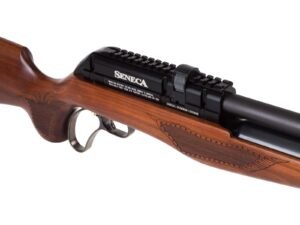
Another aspect to consider is preventive maintenance practices. Regular inspection and cleaning help identify issues before they develop into larger problems. Because of this proactive approach, downtime is minimized. Consequently, the rifle remains operational for longer periods.
Furthermore, the system has been designed for ease of maintenance access. Key components can be reached without extensive disassembly. Because of this, upkeep becomes more manageable. As a result, users can maintain performance without difficulty seneca eagle claw.
Additionally, the rifle benefits from reduced mechanical wear due to controlled operation. PCP systems generate less stress compared to other mechanisms seneca eagle claw. Because of this, internal components experience less strain. Consequently, longevity is improved seneca eagle claw.
Another important factor is monitoring performance consistency. Over time, users should observe any changes in accuracy or feel. Because of this awareness, potential issues can be addressed early. As a result, system reliability is maintained.
Moreover, the use of compatible projectiles and accessories contributes to long-term performance. Proper selection ensures smooth operation. Because of this, unnecessary wear is avoided. Consequently, efficiency is preserved.
In addition, responsible handling practices support longevity. The rifle should be handled carefully and stored securely when not in use. Because of this, accidental damage is minimized. As a result, durability is maintained.
Another consideration is lifecycle awareness. While the rifle is built for durability, certain components may require replacement over time. Because of this, users should plan for periodic servicing. Consequently, performance can be sustained.
Furthermore, the Eagle Claw reflects advancements in modern PCP durability standards. Materials and engineering techniques have been optimized for long-term use. Because of this, the rifle meets the demands of repeated operation. As a result, reliability is ensured seneca eagle claw.
Finally, the combination of proper maintenance, controlled operation seneca eagle claw, and durable construction ensures that the rifle performs consistently throughout its lifespan. By following recommended practices, users can maximize both performance and longevity seneca eagle claw.
Be the first to review “Seneca Eagle Claw”
Related products
Seneca Air Rifles
Reviews
There are no reviews yet.