Sale!

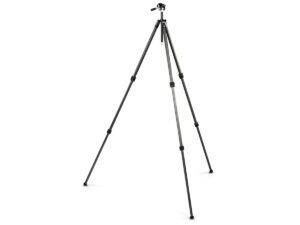
Vortex Ridgeview Carbon Fiber Tripod

Original price was: €500.00.Current price is: €350.00.

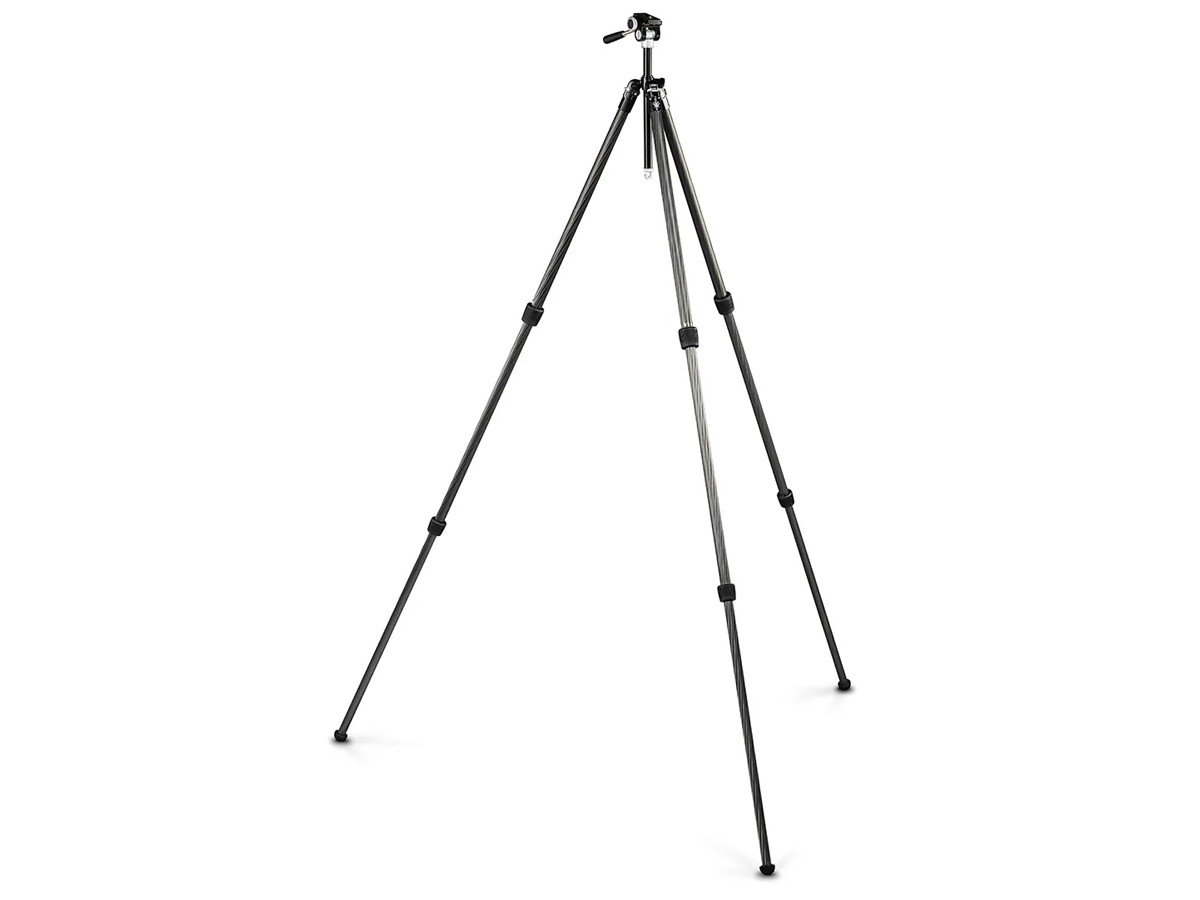
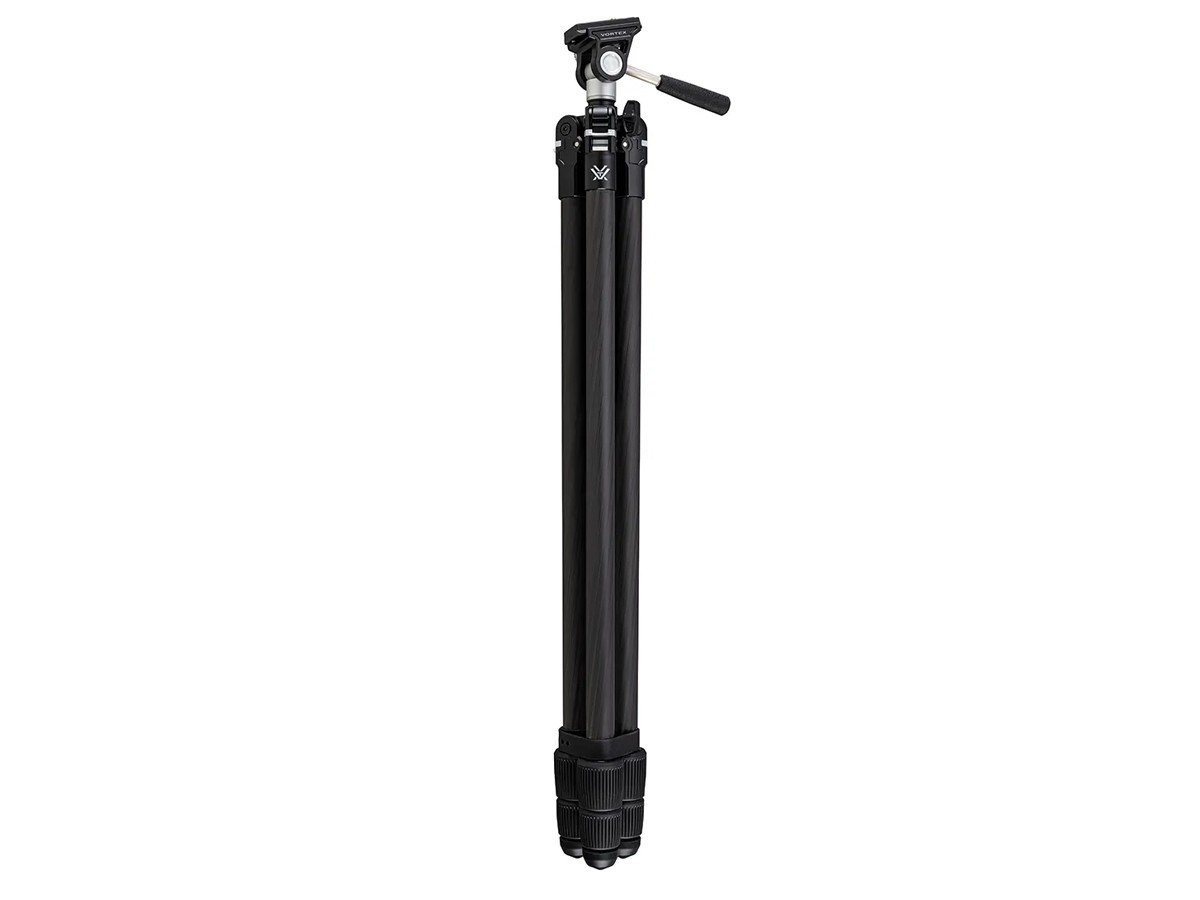
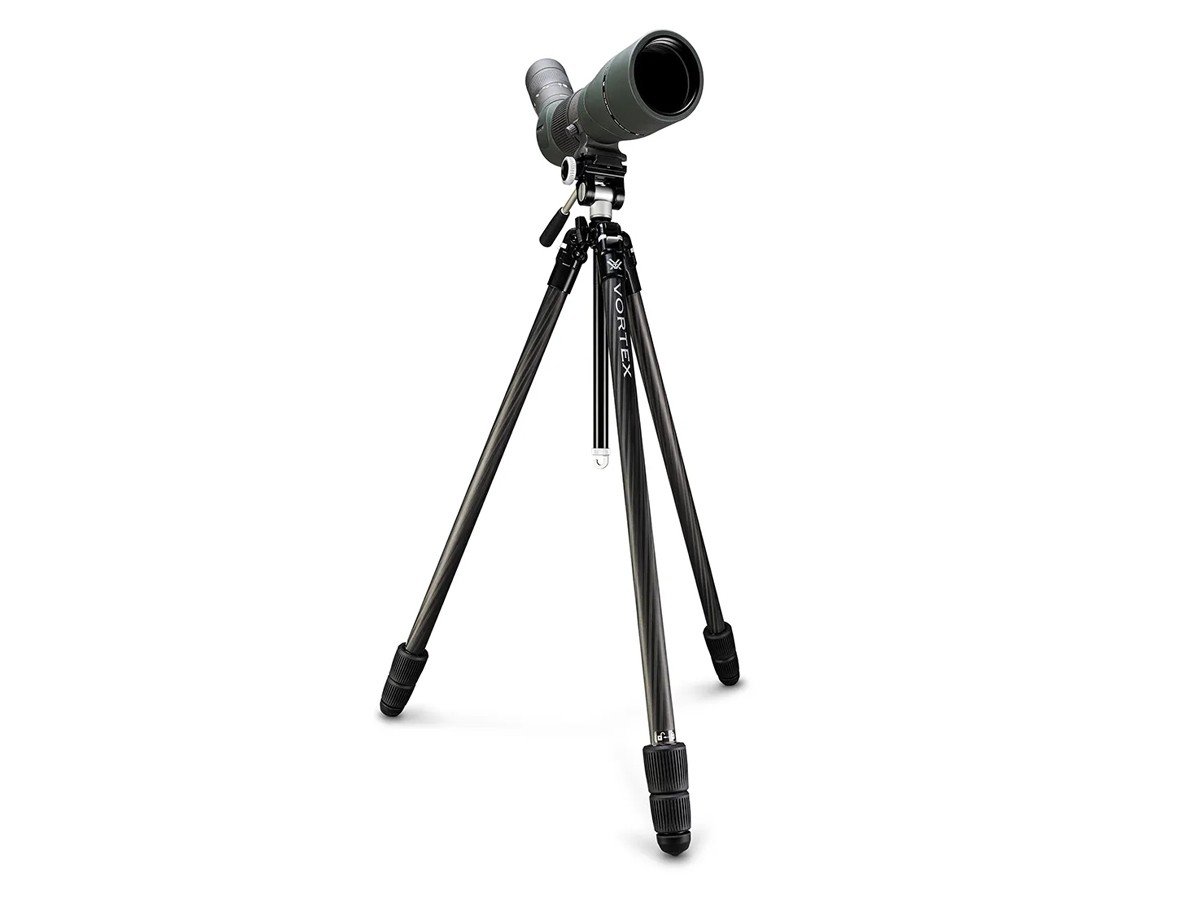
The Vortex Ridgeview Carbon Fiber Tripod is a great choice for stand-up glassing. It offers strength and stability for all your hunting needs, allowing you to stay comfortable without bending or crouching. Whether you’re using large spotting scopes or heavy binoculars, this portable product ensures steady support in the field or at the shooting bench.

Vortex Ridgeview Carbon Fiber Tripod

  • Weight: 3.2 lbs.
  • Max Load: 22 lbs.
  • Min Height: 8.3 inches
  • Max Height: 73.8 inches
  • Folded Dimensions (HxW): 29.0″ x 3.2″
  • Leg Material: Carbon Fiber
  • Leg Sections: 3
  • Leg Angles: 3
  • Leg Locks: 1/4 Turn
  • Head Mount: Arca-Swiss
  • Includes pan head, quick-release plate with 1/4″-20 thread, a rubber packing strap, a detachable counterweight hook, and a 1.3mm hex wrench
  • VIP Lifetime Warranty
    Specs
    • Manufacturer Vortex Optics
    • Condition New
    • Accessories Type Shooting Needs & Accessories
    • Warranty Lifetime limited warranty
    • Weight 3.20

Description

VORTEX RIDGEVIEW CARBON FIBER TRIPOD

Lightweight Strength for Precision Stability

The Vortex Ridgeview Carbon Fiber Tripod is designed for users who demand stability without sacrificing portability. In outdoor environments where balance, weight, and durability matter, this tripod provides a reliable foundation for optics and observation equipment. As a result, it becomes an essential tool for hunters, shooters, and outdoor enthusiasts who require consistent support in varying conditions.

To begin with, the defining feature of the Ridgeview tripod is its carbon fiber construction. Carbon fiber is known for its exceptional strength-to-weight ratio, which allows the tripod to remain lightweight while maintaining structural integrity. Therefore, users can carry it over long distances without experiencing unnecessary fatigue. In addition, the material resists environmental stress better than traditional alternatives, which enhances long-term durability.
Moreover, the tripod is engineered to deliver stable support across uneven terrain. Outdoor environments rarely provide flat, predictable surfaces, so adaptability is critical. The Ridgeview tripod features adjustable legs that can be positioned independently. As a result, users can achieve a balanced setup even on challenging ground. This flexibility ensures that optics remain steady, which improves accuracy and observation clarity.

Another important aspect is the load-bearing capability. Despite its lightweight design, the tripod is capable of supporting a range of optics and accessories. This balance between weight and strength makes it suitable for various applications. For example, it can be used for spotting scopes, binoculars, or lightweight camera setups. Consequently, it becomes a versatile addition to any outdoor gear collection.

In addition, the Ridgeview tripod emphasizes ease of deployment. Quick setup is essential in field conditions where time and efficiency matter. The leg locks are designed for fast adjustment, which allows users to extend or collapse the tripod with minimal effort. Therefore, transitioning between positions becomes seamless. This efficiency is particularly valuable when conditions change rapidly or when mobility is required.

The center column design also contributes to functionality. It provides additional height adjustment, which allows users to fine-tune their setup. As a result, the tripod can adapt to different viewing angles and user preferences. Furthermore, the column is designed to maintain stability even when extended, which ensures that performance remains consistent.

From a usability perspective, the tripod is built with ergonomics in mind. The controls are positioned for intuitive operation, which reduces the learning curve. Users can make adjustments quickly without interrupting their workflow. In addition, the lightweight frame enhances handling, so repositioning the tripod feels effortless. Consequently, the overall experience remains smooth and efficient.

Durability is another key factor. Outdoor equipment must withstand exposure to various conditions, including moisture, dust, and temperature changes. The Ridgeview tripod is constructed to handle these challenges. While it remains lightweight, it does not compromise on resilience. Therefore, users can rely on it during extended use in demanding environments.

Furthermore, the tripod supports precision-based activities. Stability directly affects accuracy, especially when using high-magnification optics. Even minor vibrations can disrupt observation or targeting. However, the Ridgeview tripod minimizes movement, which allows users to maintain a steady view. As a result, it enhances both performance and confidence.

Portability also plays a significant role in its design. The tripod folds into a compact form, which makes it easy to transport. Whether attached to a backpack or carried by hand, it integrates seamlessly into outdoor routines. This convenience ensures that users can bring reliable support without adding unnecessary bulk.

Additionally, the tripod integrates well with various mounting systems, which increases compatibility. Users can attach different devices without requiring complex adjustments. Therefore, it becomes a flexible solution that adapts to different setups.

In conclusion, the Vortex Ridgeview Carbon Fiber Tripod combines lightweight construction, durable materials, and practical design to deliver reliable support in outdoor environments. It balances portability with strength, which makes it suitable for a wide range of applications. Moreover, its stability and ease of use ensure that users can focus on their activity rather than their equipment. As outdoor gear continues to evolve, this tripod represents a well-rounded solution that meets modern demands for performance and convenience.
Build Quality, Engineering Design, and Structural Performance

The Vortex Ridgeview Carbon Fiber Tripod is engineered with a clear objective: deliver maximum stability while minimizing weight and complexity. Although many tripods attempt to balance these factors, the Ridgeview achieves this through thoughtful material selection and structural design. As a result, it performs reliably in demanding outdoor conditions while remaining easy to transport and operate.

To begin with, the carbon fiber leg construction forms the foundation of the tripod’s engineering. Carbon fiber is selected not only for its lightweight properties but also for its resistance to flex and vibration. Therefore, the tripod maintains rigidity even when extended. In addition, carbon fiber naturally dampens small movements, which reduces the impact of environmental disturbances such as wind or uneven ground. Consequently, optics mounted on the tripod remain steady, which improves viewing precision.

Moreover, the multi-section leg system enhances adaptability. Each leg can be extended or retracted independently, which allows users to adjust the tripod to different heights and terrains. For example, when operating on a slope, one leg can be shortened while another is extended. Because of this flexibility, the tripod can maintain balance in situations where fixed-leg systems would struggle. Furthermore, the leg sections are designed to lock securely, which ensures that adjustments remain stable during use.

The leg locking mechanism also plays a critical role in performance. Quick-lock systems are integrated to allow fast deployment and adjustment. Instead of requiring multiple steps, users can extend or collapse the legs with minimal effort. As a result, setup time is reduced significantly. This efficiency becomes especially important in field conditions where speed and responsiveness are essential. Additionally, the locks are designed to maintain tension, which prevents unintended movement once the tripod is positioned.

Another important component is the center column assembly. This feature provides additional height adjustment while maintaining structural integrity. Although extending a center column can sometimes introduce instability, the Ridgeview is engineered to minimize this effect. The column is supported in a way that preserves balance, so users can increase height without compromising performance. Therefore, the tripod remains versatile across different viewing angles and user preferences.

The mounting platform is equally important in the overall design. It provides a stable interface between the tripod and the attached equipment. Because this connection point must support various devices, it is constructed to handle different loads without shifting. As a result, users can mount optics securely and maintain alignment during use. Furthermore, the platform is compatible with standard mounting systems, which increases flexibility.

From a structural perspective, the tripod’s weight distribution is carefully balanced. While the upper section supports mounted equipment, the lower section stabilizes the entire structure. This distribution ensures that the center of gravity remains controlled, even when the tripod is fully extended. Consequently, the risk of tipping or imbalance is reduced. This stability is particularly valuable when using heavier optics or when operating in uneven terrain.

Durability is also a key aspect of the engineering design. The Ridgeview tripod is constructed with materials that resist wear and environmental exposure. While it remains lightweight, it is built to withstand repeated use in outdoor conditions. For instance, the leg joints and locking components are reinforced to handle frequent adjustments. Therefore, the tripod maintains its performance over time without degradation.

In addition, the ergonomic design elements improve usability. The leg grips are designed to provide a secure hold, which makes adjustments easier in different weather conditions. Whether the user is wearing gloves or operating in wet environments, the controls remain accessible. As a result, the tripod can be adjusted quickly without compromising control. This attention to detail enhances the overall user experience.

Another notable feature is the tripod’s compact folding mechanism. When not in use, the legs can be collapsed into a smaller form factor. This design makes transportation more convenient, especially during long outdoor excursions. Because of this, users can carry the tripod without adding unnecessary bulk to their gear.

Furthermore, the engineering approach emphasizes simplicity without sacrificing capability. While the tripod includes multiple adjustable components, it avoids unnecessary complexity. Each feature serves a specific purpose, and the overall system remains intuitive. Therefore, users can focus on their activity rather than managing the equipment.

In conclusion, the Vortex Ridgeview Carbon Fiber Tripod demonstrates a well-executed balance of material science and structural engineering. Its carbon fiber construction, secure locking systems, and adaptable design work together to provide reliable performance. Moreover, its durability and ergonomic features ensure that it remains practical for long-term use. As a result, it stands as a dependable solution for users who require both stability and portability in a single, well-designed tripod.

Stability, Load Management, and Vibration Control

The Vortex Ridgeview Carbon Fiber Tripod is ultimately defined by how well it stabilizes equipment in real-world conditions. While lightweight construction improves portability, stability determines performance. For optics users, even minor movement can affect clarity and accuracy. Therefore, the Ridgeview tripod is engineered to manage load distribution and minimize vibration across different environments.

To begin with, the tripod’s carbon fiber structure plays a central role in stability. Carbon fiber naturally absorbs micro-vibrations better than traditional materials such as aluminum. As a result, small disturbances—whether from hand movement or environmental factors—are reduced before they affect the mounted equipment. In addition, the rigidity of the material prevents flexing under load. Consequently, the tripod maintains a stable platform even when extended to higher positions.

Moreover, the leg angle adjustability enhances balance on uneven terrain. Outdoor environments rarely provide level surfaces, so adaptability is essential. Each leg can be positioned independently, which allows the tripod to maintain a stable base. For example, one leg can be extended further while another remains shorter to compensate for slopes. Because of this flexibility, the tripod remains secure in situations where fixed-angle systems would struggle. Therefore, stability is preserved regardless of ground conditions.

Another important factor is the load-bearing capacity. The Ridgeview tripod is designed to support a range of optics without compromising balance. When equipment is mounted, the weight is distributed evenly across the structure. As a result, the center of gravity remains controlled, which reduces the risk of tipping. Furthermore, the mounting platform is engineered to hold devices firmly in place, so movement is minimized during use. This secure connection is critical for maintaining alignment and clarity Stable carbon fiber tripod.

In addition, the leg locking system contributes directly to structural integrity. Once the legs are adjusted, the locks hold them firmly in position. This prevents gradual slipping, which can occur in less secure systems. Consequently, the tripod maintains its height and angle over time. This consistency is particularly important during extended observation sessions, where even slight shifts can disrupt the user’s focus Tripod for hunting and shooting.

The center column design also influences stability. While adjustable columns provide additional height, they can introduce instability if not properly supported. However, the Ridgeview tripod is engineered to maintain balance even when the column is extended. The structure distributes weight effectively, so the added height does not significantly affect performance. Therefore, users can adjust their viewing position without sacrificing steadiness.

Furthermore, the tripod incorporates vibration control through structural damping. When external forces such as wind or ground movement occur, the carbon fiber legs absorb and dissipate energy. As a result, vibrations do not travel easily through the structure. This feature is especially valuable when using high-magnification optics, where even minor movement can be amplified. Consequently, the Ridgeview tripod provides a stable viewing experience under varying conditions.

Another advantage lies in the foot design, which enhances grip on different surfaces. Whether placed on soil, rock, or uneven ground, the tripod maintains traction Carbon fiber tripod for optics. This reduces the likelihood of slipping, which further supports stability. In addition, the secure footing allows users to position the tripod confidently without constant readjustment Vortex tripod.

The tripod’s weight-to-stability ratio is also carefully balanced. While heavier tripods can offer stability, they are often difficult to carry. Conversely, lightweight designs may sacrifice rigidity. However, the Ridgeview achieves a balance by combining low weight with high structural strength. Therefore, users can benefit from both portability and reliable support.

In practical use, these features combine to create a consistent performance profile. When the tripod is set up, it remains steady even during extended use Lightweight tripod for spotting scope. Users can rely on it to hold their equipment securely without frequent adjustments. This reliability enhances overall efficiency, as attention can remain focused on the task rather than the equipment Vortex Ridgeview Carbon Fiber Tripod.

Additionally, the tripod performs well in dynamic conditions. For example, when repositioning is required, the structure maintains its integrity during movement Vortex Ridgeview Carbon Fiber Tripod. Once placed, it quickly stabilizes, which allows users to resume observation without delay. This responsiveness is particularly useful in situations where conditions change rapidly Vortex Ridgeview Carbon Fiber Tripod.

In conclusion, the Vortex Ridgeview Carbon Fiber Tripod delivers strong stability through a combination of material properties, structural design, and practical features Vortex Ridgeview Carbon Fiber Tripod. Its ability to manage load distribution and control vibration ensures that mounted equipment remains steady. Moreover, its adaptability to different terrains and conditions reinforces its reliability Best carbon fiber tripod for spotting scope. As a result, it provides a dependable platform for users who require precision and consistency in their outdoor activities Vortex Ridgeview Carbon Fiber Tripod.

Field Usability, Portability, and Real-World Applications

The Vortex Ridgeview Carbon Fiber Tripod is designed not only for structural performance but also for practical usability in real-world conditions. While engineering defines its capability, field usability determines how effectively it supports users during actual outdoor activities optics support system. In this regard, the tripod is optimized to deliver convenience, adaptability Outdoor tripod for optics, and efficiency across a wide range of applications Vortex Ridgeview Carbon Fiber Tripod.

To begin with, portability is one of its most valuable attributes. Because the tripod is constructed from carbon fiber, it remains lightweight without sacrificing strength Vortex Ridgeview Tripod. As a result, users can carry it over long distances without fatigue. This advantage becomes particularly important during extended outdoor excursions, where every piece of equipment contributes to overall load. Moreover, the tripod folds into a compact form, which allows it to be stored easily in or attached to a backpack Lightweight tripod for hunting optics. Therefore, it integrates seamlessly into mobile setups Vortex Ridgeview Carbon Fiber Tripod.

In addition, the tripod is engineered for quick deployment in field conditions. When time is limited, users need equipment that can be set up without delay. The Ridgeview tripod features intuitive leg adjustments and locking mechanisms, which allow rapid positioning. Consequently, users can transition from carrying to operational use within seconds Vortex Ridgeview Carbon Fiber Tripod. This efficiency is especially valuable in dynamic environments where opportunities may be brief Adjustable leg tripod.

Another key aspect is ease of handling during repeated adjustments. In outdoor scenarios, repositioning is often necessary due to changes in terrain or target location Vortex Ridgeview Carbon Fiber Tripod. The tripod’s ergonomic design supports this process by allowing smooth and controlled adjustments. Because of this, users can modify height and angle without disrupting their workflow Vortex Ridgeview Carbon Fiber Tripod. Furthermore, the lightweight frame ensures that repositioning does not require excessive effort Vortex Ridgeview Carbon Fiber Tripod.

The tripod also excels in versatility across different applications. It can support a variety of equipment, including spotting scopes, binoculars, and lightweight cameras Vortex Ridgeview Carbon Fiber Tripod. As a result Vortex Ridgeview Carbon Fiber Tripod, it serves multiple purposes within a single setup. For example Vortex Ridgeview Carbon Fiber Tripod, a user may switch from observation to documentation without needing additional support equipment. Therefore, the tripod becomes a multifunctional tool rather than a single-purpose accessory Vortex Ridgeview Carbon Fiber Tripod.

In real-world use, adaptability to terrain is critical Vortex Ridgeview Carbon Fiber Tripod. The Ridgeview tripod performs effectively on uneven ground, slopes, and mixed surfaces. Each leg can be adjusted independently, which allows users to stabilize the tripod in challenging environments. Consequently Vortex Ridgeview Carbon Fiber Tripod, it maintains balance even when conditions are less than ideal. This adaptability ensures that performance remains consistent regardless of location Vortex Ridgeview Carbon Fiber Tripod.

Furthermore, the tripod enhances precision in observation-based activities. Stability directly affects clarity when using optics. Even minor movement can distort the image Vortex Ridgeview Carbon Fiber Tripod, especially at higher magnifications. However, the Ridgeview tripod minimizes these disruptions Vortex Ridgeview Carbon Fiber Tripod , which allows users to maintain a steady view. As a result Vortex Ridgeview Carbon Fiber Tripod, it supports more accurate observation and analysis Vortex Ridgeview Carbon Fiber Tripod.

Reviews

There are no reviews yet.

Be the first to review “Vortex Ridgeview Carbon Fiber Tripod”

Your email address will not be published. Required fields are marked *